The best commercial roofers in Maricopa County aren't just climbing ladders anymore—they're using drones, thermal cameras, and AI to catch problems you can't see and protect your business before disaster strikes.
Share:
Summary:
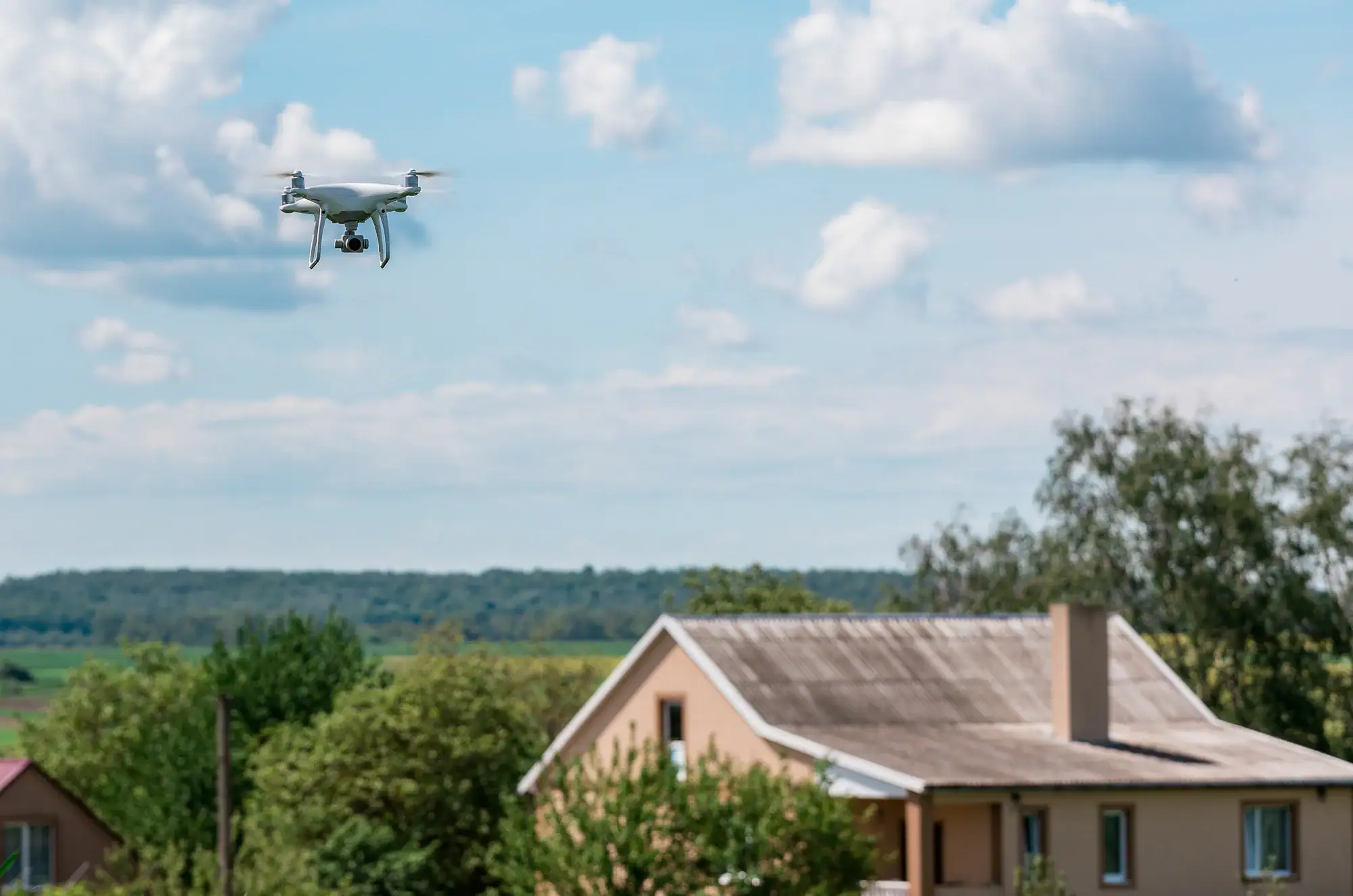
Drone inspections have moved from “cool toy for my nephew” to an absolute necessity for commercial roofers who don’t want to spend their entire day playing a high-stakes game of “Don’t Fall Off the Building.” An elite contractor can now document your entire roof system in about 15 minutes. That’s less time than it takes most people to decide what they want for lunch, and it captures angles that a human could only see if they were part mountain goat.
The safety advantage is huge, and your insurance provider probably loves it as much as we do. Nobody needs to go for an unplanned skydive just to check if a HVAC unit is properly flashed. The drone zips up, takes thousands of high-resolution photos, and zips back down, all while the operator stays safely on the ground—likely wondering if they should have worn more sunscreen. It’s a win for everyone involved, especially the guy who doesn’t have to climb a 40-foot vertical ladder.
But the real magic isn’t just the “birds-eye view” for your Instagram feed. Modern drones are essentially flying laboratories. They carry sensors that can spot the microscopic cracks and structural hiccups that the human eye misses because it got distracted by a shiny bird or a nearby taco truck. In Arizona’s brutal climate, catching these tiny flaws early is the only way to keep your roof from becoming a very expensive piece of charcoal.
This is where we go full “Predator” mode on your roof. Thermal cameras mounted on drones detect temperature differences across your roof surface that stay hidden from the naked eye. Water trapped under your roofing membrane shows up as a temperature anomaly—usually a glowing “I’m about to ruin your week” spot on our screens. If your roof were a person, this would be the MRI that catches the issue before the patient even has a cough.
Trapped moisture is the silent assassin of commercial roofs in Maricopa County. It hides under the surface, quietly turning your insulation into a soggy sponge and weakening your decking while you’re busy worrying about spreadsheets. By the time you actually see a water stain on your office ceiling, the moisture has already been living rent-free for months. It’s the houseguest from hell that eventually brings the whole ceiling down with it.
Thermal imaging flips the script. We can find moisture intrusion weeks or even months before it causes a single drip inside. You get a detailed heat map of your roof that highlights exactly where the problems are brewing. Instead of a “guess and check” method that feels like a bad carnival game, you get a surgical strike on the exact area that needs help.
Arizona is the ultimate test for this tech because of our wild temperature swings. During the day, the sun tries to bake the roof to a crisp 160 degrees; at night, it finally catches a break. Wet materials hold onto that heat like a stubborn toddler holding a candy bar. The thermal camera catches that heat signature long after the rest of the roof has cooled down, making it impossible for leaks to hide from us.
Elite roofers usually fly these missions right after sunset, which makes us look like we’re part of a secret government operation, but it’s actually the best time for data accuracy. We aren’t just taking pretty pictures of glowing rectangles. Our team is generating a diagnostic roadmap that tells you exactly how much life is left in your roof and how to keep your inventory from getting a surprise bath during the next monsoon.
The financial upside is massive. Would you rather pay $2,000 for a targeted patch job now, or $40,000 for a total replacement next summer because the moisture rotted out the entire structural deck? It’s the easiest math you’ll do all year. Thermal imaging turns “I hope it doesn’t leak” into “I know exactly why it won’t,” which is a much better way to sleep at night.
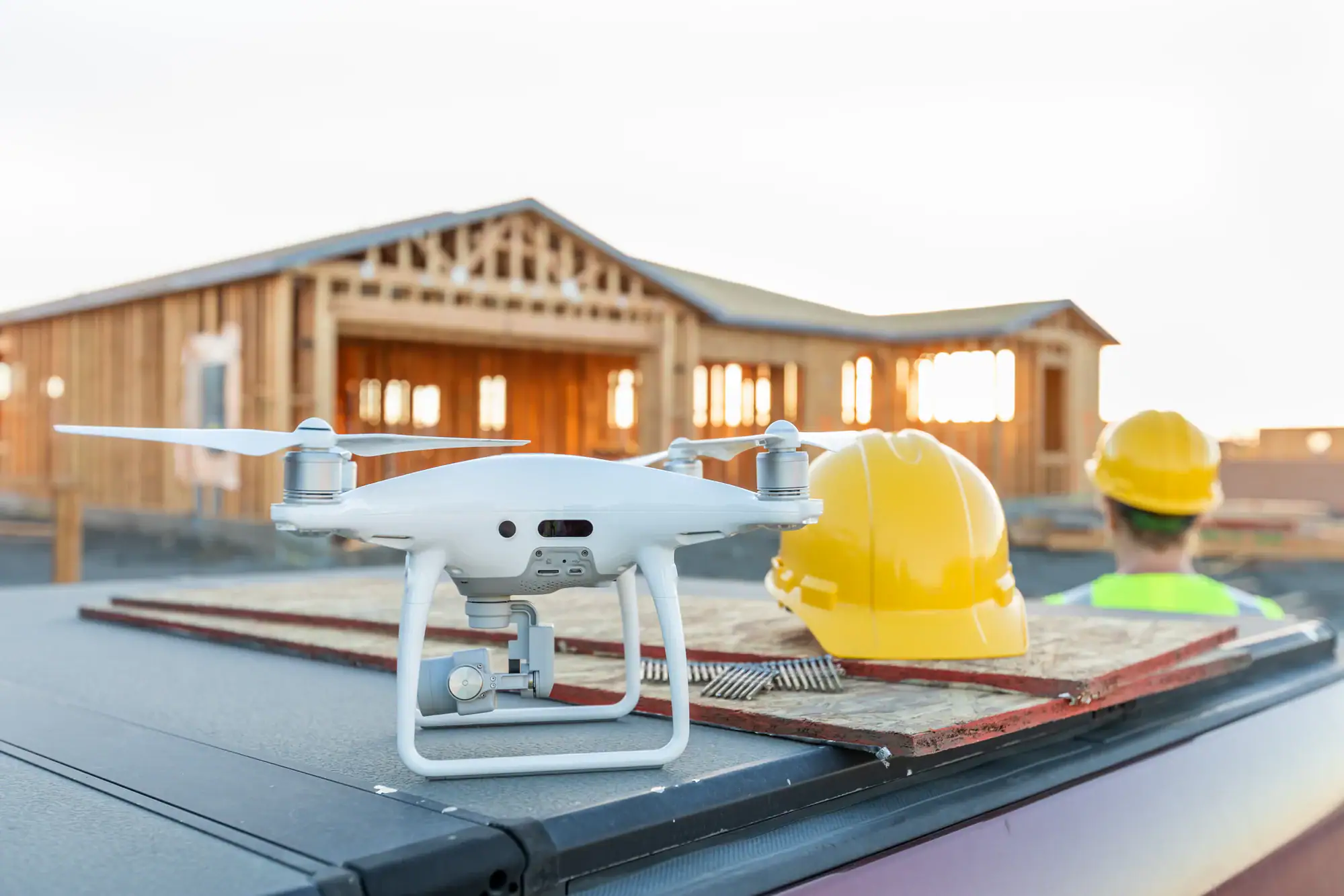
In the world of facility management, time is the one thing you can’t buy more of—unless you count hiring a roofer with a drone. Traditional inspections for a massive warehouse used to involve a two-man crew, three ladders, a lot of sweating, and about six hours of walking. Now, we can fly the whole perimeter and every square foot of the field while you’re still finishing your first cup of coffee. Its efficiency is so good it feels almost illegal. A drone doesn’t care if your roof is a complicated multi-level maze or if it’s covered in giant HVAC units that look like they belong on a spaceship. It captures hundreds of images and automatically uploads them to software that stitches them together into a perfect 3D model. We get measurements that are accurate down to the millimeter, which means when we order materials, we aren’t “eyeballing it” like someone trying to guess how much pasta to boil for dinner.
This speed means you get answers faster. Instead of waiting three days for a handwritten report that looks like it was signed by a doctor, you get high-definition visual proof and a digital dashboard of your roof’s health within 24 hours. When a major storm hits Maricopa County, the contractors with drones can check ten buildings in the time it takes the “old school” guys to find their safety harnesses.
The documentation is also top-tier for insurance purposes. Every image is geotagged and timestamped, creating an airtight digital paper trail that insurance adjusters can’t argue with. It’s hard for a carrier to say “that damage was already there” when you have 4K video evidence from two weeks ago showing a pristine surface. It takes the “he-said, she-said” out of the claim process and replaces it with “here’s the video.”
For companies that run 24/7 operations, drones are the ultimate non-invasive tool. We don’t need to block off parking spots for a lift, and we don’t have to worry about people walking under a work zone. We stay out of your way, and your employees don’t have to look up and see a guy peering through the skylight while they’re trying to work. It’s the “ninja” approach to roof maintenance.
The technology we use in 2026 even features 5x optical zoom that would make a private investigator jealous. We can sit 100 feet in the air and see a rusted screw or a cracked sealant bead as if it were six inches in front of our faces. This allows us to find the tiny entry points that lead to big disasters without ever having to set foot on a sensitive roofing membrane more than necessary.
Ultimately, drone-powered timelines mean your project gets started sooner and finishes faster. There’s no back-and-forth about measurements or missed sections. We get it right the first time, every time. If your current roofer’s “high-tech tool” is still just a pair of binoculars and a good pair of boots, it’s probably time to upgrade to someone who lives in this century.
Want live answers?
Connect with a Roofing All Stars expert for fast, friendly support.
Artificial Intelligence has officially graduated from writing bad poetry to protecting your roof. In 2026, we’re using AI-powered platforms that analyze your roof’s condition like a digital doctor. We aren’t talking about Terminators with nail guns; we’re talking about smart software that looks at thousands of data points to tell us when your roof is likely to throw a tantrum. It’s like having a “Check Engine” light for your entire building.
These systems use embedded sensors to keep an eye on things 24/7, so you don’t have to. The AI learns what “normal” looks like for your specific building—how it breathes in the heat and how it handles the rain. When it sees something weird, like a section of the roof staying hot for too long or a weird vibration from a mechanical unit, it flags it immediately. It’s the ultimate tattletale, and in this case, we love it for it.
For a business in Arizona, this predictive power is a game-changer. You stop wondering if the roof will fail and start knowing when it will need a tune-up. It turns roofing from an unpredictable nightmare that keeps you up at night into a manageable line item on a spreadsheet. It’s about being proactive instead of waiting for a ceiling tile to turn into mush during a board meeting.
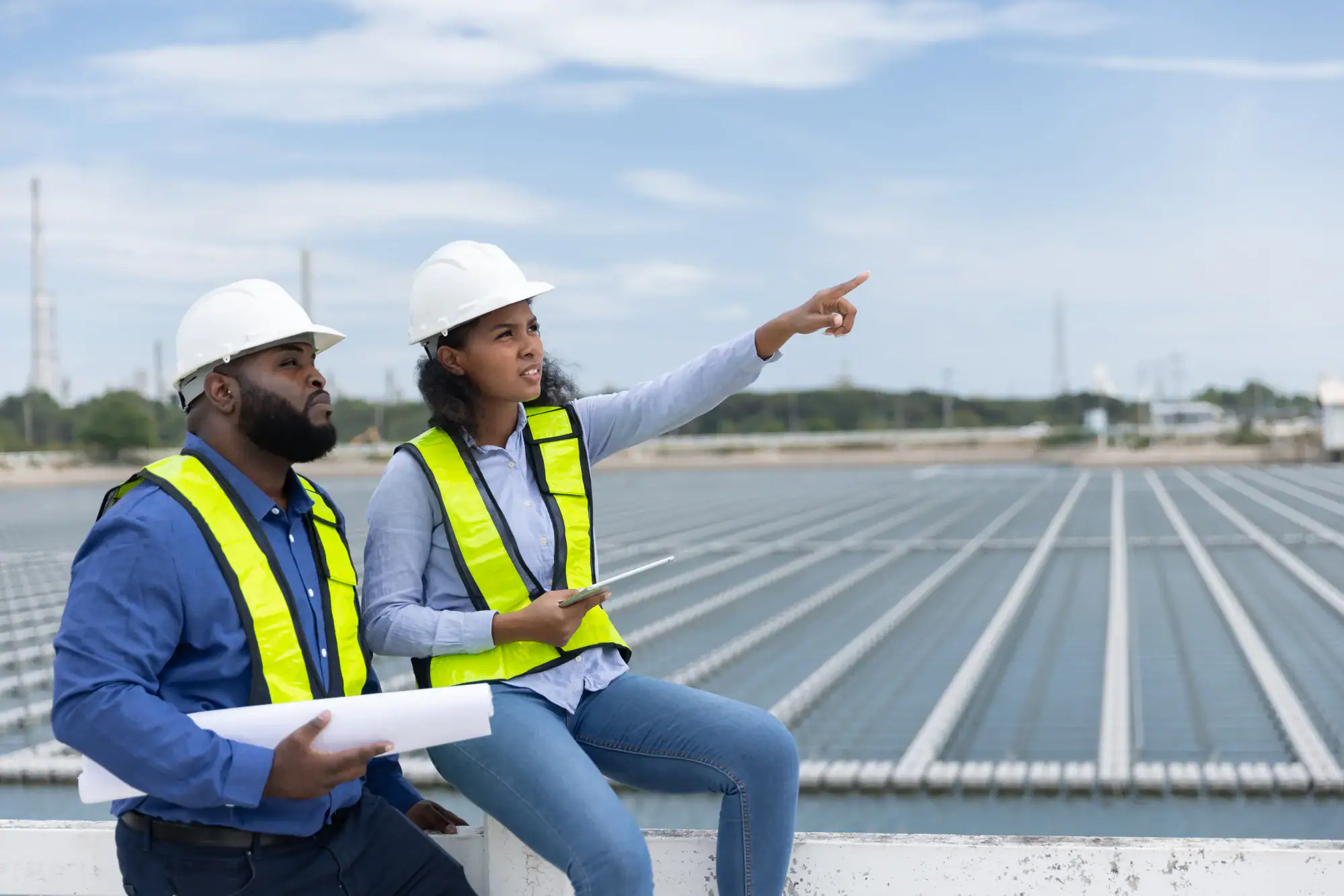
The elite roofers of 2026 have moved past the “call me when it leaks” business model. We’re now deploying real-time monitoring platforms that act like a security system for your shingles. Sensors are strategically placed to monitor moisture, temperature, and even structural load. If the weight on your roof increases suddenly (like during a freak hailstorm or a massive rain event), the system pings us before the structure starts to complain.
This is especially vital in Maricopa County, where a monsoon can dump an entire month’s worth of rain in the time it takes you to watch a sitcom. Traditional inspections might only happen once or twice a year, which is a lot of time for things to go wrong in between. Monitoring systems fill that gap, watching your roof during every storm and every 115-degree afternoon. It’s like having a roofer living on your roof, but without the need for a sleeping bag or snacks.
When the system detects moisture where it shouldn’t be, it sends an alert to your phone and ours. We can often get a crew out to fix a minor seam failure before you even realize there was a leak. It’s a bit like “Minority Report” for roofing—we’re catching the crime against your property before it happens. This saves you from the “Emergency Repair” premium pricing that usually comes with a Sunday afternoon leak.
The AI doesn’t just watch for disasters; it tracks your roof’s aging process in real-time. It notices when your reflective coating is starting to lose its “oomph” and can predict exactly when your energy bills are going to start climbing because of it. You get a heads-up that you’ll need a re-coat in six months, giving you plenty of time to find room in the budget instead of being blindsided by a spike in your utility costs.
By integrating these platforms, we’re able to offer “Roofing as a Service.” You don’t just get a contractor; you get a data-driven partnership. We provide you with monthly “health reports” that show your roof is performing exactly as it should. It’s the kind of transparency that makes facility managers look like geniuses to their bosses, and we’re more than happy to help you take the credit.
The long-term savings are where this really pays off. Extending the life of a $200,000 commercial roof by just five years through better monitoring is essentially like finding a pile of cash in your desk drawer. By keeping the “small stuff” from turning into “big stuff,” we keep your capital expenses low and your stress levels even lower. In 2026, if you aren’t monitoring your roof in real-time, you’re basically just waiting for a very expensive surprise.
Let’s be honest: waiting for a roofing estimate used to be as fun as waiting for a dial-up modem to connect. You’d wait days for a guy to show up, then another week for him to mail you a confusing packet of papers. In 2026, AI has crushed that bottleneck. We feed drone data into AI estimation software that calculates every square inch, every flashing detail, and every labor hour in minutes. It’s faster than a microwave burrito and way more reliable.
The AI pulls from massive databases of material costs and regional labor rates to make sure the number we give you is rooted in reality, not just a “gut feeling.” It accounts for local building codes in Maricopa County automatically, guaranteeing that your quote isn’t missing a vital permit or a safety requirement that will cause delays later. It’s accuracy that would make an IRS auditor blush.
For a facility manager juggling five different quotes, this speed is a lifesaver. You can get a preliminary “ballpark” figure while the drone is still in the air and a final, iron-clad proposal before you head home for the day. When you’re dealing with storm damage and have the insurance company breathing down your neck, being the first one with an accurate quote gives you a massive head start on getting back to normal.
The software also allows us to show you “What-If” scenarios. Want to see the cost difference between a standard TPO membrane and a premium high-reflectivity system over a 20-year period? The AI can crunch those numbers instantly, showing you the projected energy savings vs. the upfront cost. It turns a sales pitch into a legitimate financial consultation. You aren’t just buying a roof; you’re making a data-backed investment.
Accuracy also means no “Oops” moments halfway through the project. AI doesn’t forget to count the number of vent pipes or miscalculate the amount of adhesive needed for the perimeter. This means the price we quote you is the price you pay. There are no surprise “change orders” because someone forgot how to use a tape measure on a windy day. It’s the kind of predictability that keeps projects on track and relationships intact.
Some of our AI tools are now so advanced they can even simulate how a future monsoon with 70mph winds will affect your specific roof based on its current condition. It’s a bit like a stress test for your building. This helps us prioritize which repairs are “must-haves” and which ones are “nice-to-haves,” letting you allocate your budget where it will actually make the biggest impact on safety and longevity.
By embracing these tools, elite roofers are moving away from being “guys with hammers” and becoming “strategic asset managers.” We provide you with a digital twin of your roof that you can use for years to come for planning, budgeting, and insurance purposes. If your current contractor is still using a pencil and a prayer to give you an estimate, you’re missing out on the precision of the modern age.
The technology gap in commercial roofing isn’t just about having cool gadgets to show off at trade shows; it’s about providing a level of service that was impossible ten years ago. Contractors using drones, thermal imaging, and AI are giving you a superpower: the ability to see through walls and predict the future. Those still stuck in the 20th century are basically just guessing—and unfortunately, they’re guessing with your money.
Your commercial roof is the first line of defense for your business. It deserves more than a cursory glance from the ground. It deserves a high-tech guardian that doesn’t blink, doesn’t get tired, and doesn’t miss the details. Choosing a roofer who invests in this technology shows that they care about the long-term health of your building, not just getting a quick check and moving on to the next job.
Roofing All Stars has been a staple in Maricopa County since 1999, but we haven’t stopped evolving. We pair our decades of “been there, seen that” experience with the most cutting-edge tech available in 2026. If you want a roof assessment that’s more “Star Trek” and less “Stone Age,” we’re ready to help. Let’s stop reacting to leaks and start preventing them with the best technology the industry has to offer.
Article details:
Share:
Continue learning: