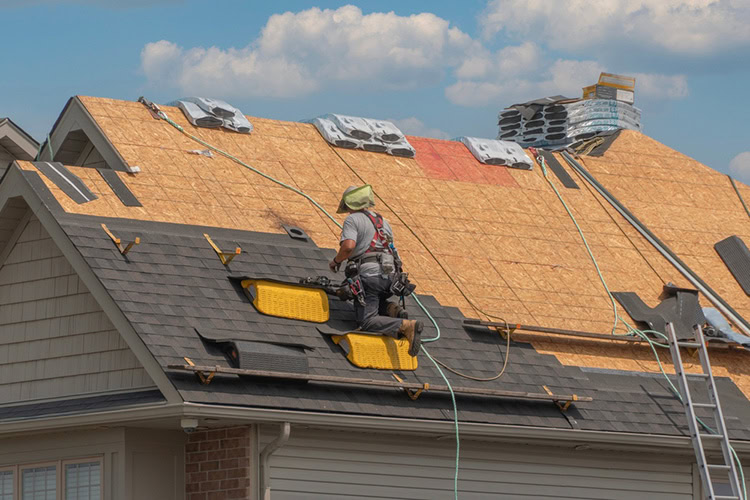
Not all roofing contractors in Maricopa County are created equal. Learn the red flags that separate trustworthy pros from scammers before you sign anything.
Share:
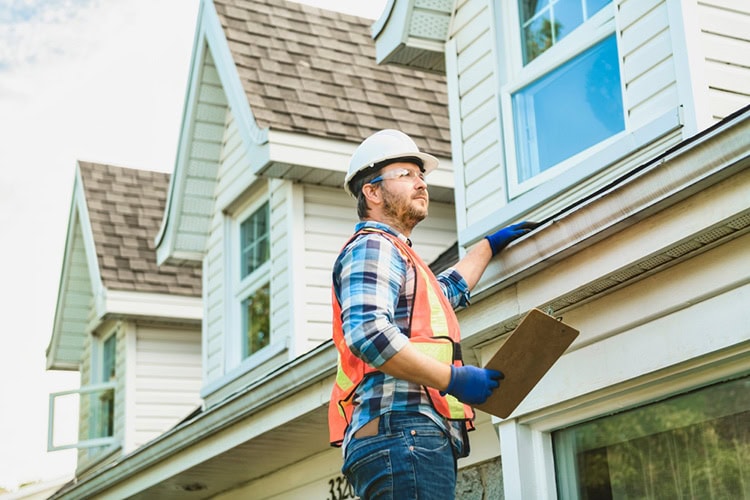
Summary:
Arizona’s roofing market creates the perfect storm for scams, mostly because our weather is actively trying to melt your house. Between the 115-degree summers that turn shingles into puddles and monsoons that treat your roof like a suggestions box, homeowners are constantly in need of help. This high demand attracts contractors from all over, including people who couldn’t tell a soffit from a sourdough loaf.
The FBI estimates that insurance carriers pay over $1 billion annually on fraudulent roof claims, usually spiked by “storm chasers.” These are out-of-town operators who descend on Maricopa County like vultures after a haboob, promising “free roofs” and collecting deposits faster than you can say “wait, where’s your office?” According to the BBB, roofing complaints are more common than sand in a desert—often because the contractor vanished into the sunset once the check cleared.
The stakes are higher than a cat on a hot tin roof. If you hire an unlicensed or uninsured contractor, you aren’t just risking a leaky ceiling; you’re risking your financial health. If a worker falls off your roof and the contractor doesn’t have insurance, you might find yourself personally responsible for their medical bills. It’s the kind of “surprise” that makes a root canal look like a spa day.
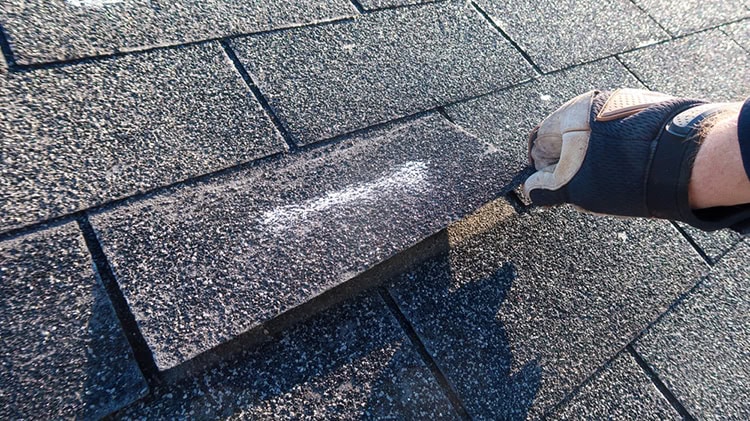
Arizona requires roofing contractors to hold a license issued by the Arizona Registrar of Contractors (ROC). This isn’t a “suggestion” or a participation trophy—it’s the law for any project over $1,000. However, many homeowners get tricked by a “business license,” which essentially just means the guy paid a fee to exist and pays taxes. A business license doesn’t mean he knows a hammer from a hacksaw. A real ROC contractor license requires four years of experience, passing grueling exams, and proving they have workers’ compensation insurance. It’s like the difference between someone who owns a stethoscope and someone who went to medical school. When a contractor says “Yeah, I’m licensed,” treat it like a first date—trust, but verify. Grab that license number and run it through the ROC website to see if they’ve had more complaints than a bad Yelp review for a vegan steakhouse.
Pay attention to the classification, too. If a residential guy is bidding on your commercial warehouse, he’s coloring outside the legal lines. The ROC database will also tell you how long they’ve been in business. While everyone has to start somewhere, you probably don’t want to be the “guinea pig” for a guy who got his license yesterday and’s primary tool is a YouTube tutorial.
Don’t let them tell you the license is “in the mail” or “being processed.” That’s the contractor equivalent of “the dog ate my homework.” If they don’t have an active license, you have zero legal recourse if they turn your roof into a giant sieve. Unlicensed contractors are cheap for a reason: they’re skipping the insurance, bonds, and safety protocols that keep you from getting sued if something goes sideways.
Checking for a license is the ultimate “vibe check.” Legitimate contractors are proud of their ROC number—they’ll probably have it tattooed on their arm (or at least printed on their truck). If they act like you’re asking for their social security number and blood type just to see a license, that’s your cue to exit stage left.
Finally, remember that insurance and licensing go hand-in-hand. An unlicensed contractor almost certainly doesn’t have the insurance required to protect your property. If they drop a bundle of shingles through your skylight, you’ll be the one paying for the “open-air floor plan” you didn’t want. Take ten minutes to check the ROC—it’s the best hourly rate you’ll ever earn in savings.
Storm chasers have a “vibe,” and it’s usually one of desperate urgency combined with a suspiciously shiny truck. The biggest red flag is the unannounced door knock. Legitimate roofing companies are usually too busy fixing roofs to wander neighborhoods like lost puppies. If a guy shows up saying he “noticed damage” from the street, he either has Superman’s X-ray vision or he’s looking for a quick payday.
High-pressure sales tactics are the “used car salesman” move of the roofing world. If the price is “only good for the next twenty minutes” or they demand you sign a contract before you’ve even had coffee, run. A real professional knows a roof is a big deal and will give you time to think. If they act like the world will end if you don’t sign right now, they’re likely just worried you’ll Google their name and find the trail of angry customers they left behind.
Watch out for the “Big Deposit” demand. Asking for 50% upfront is the roofing version of a “dine and dash” in reverse. A small deposit for materials is normal, but handing over five figures to a guy you just met is a great way to never see that guy (or your money) again. The most common scam involves a contractor tearing off your old roof and then holding your house hostage for more money while the clouds start looking suspiciously grey. A lack of a physical address is another “ghost” warning. If their business address is a UPS Store PO Box or their “office” is a folding table at a Starbucks, they probably aren’t planning on being around for your 10-year warranty. Local contractors have offices, branded shirts, and trucks that don’t look like they were stolen from a construction site. If they can’t prove they live in the same area code, they’re probably “storm chasers” who will be in another state by next Tuesday.
Vague estimates are where the “hidden fees” go to hide. If your estimate is a number scribbled on a napkin or a one-line email saying “Roof fix: $9,000,” you’re essentially giving them a blank check. A pro will give you a breakdown so detailed it would make an accountant weep with joy. Without details, they’ll use the cheapest shingles available and then charge you “extra” for things that should have been included, like, you know, nails.
Lastly, check their insurance certificates personally. Scammers love to show you an old, expired document and hope you don’t look at the date. Call the insurance company to make sure the policy is active. If a worker falls through your roof and the contractor’s insurance is as fake as a three-dollar bill, your homeowner’s insurance might just laugh at you before denying the claim. Stay vigilant, because your roof shouldn’t be a gamble.
Want live answers?
Connect with a Roofing All Stars expert for fast, friendly support.
Finding a good roofer is like finding a good hairstylist: once you find one that doesn’t mess everything up, you stick with them for life. A legitimate Maricopa County pro will have a local presence that involves more than just a temporary cell phone number. They should be able to point to houses in your neighborhood and say, “We did that one, and the owner still talks to us.”
Manufacturer certifications are the “Gold Stars” of the roofing world. When companies like GAF or Owens Corning certify a contractor, it means the contractor hasn’t just “read the manual”—they’ve been vetted by the people who make the shingles. It also means they can offer warranties that are actually worth the paper they’re printed on. If a roofer isn’t certified, they’re basically a “freelancer” with a ladder.
Transparency is the hallmark of a pro. They should be happy to answer your questions, even the annoying ones about their cleanup process or where they buy their materials. A good contractor treats your home like their own, not like a giant ATM. If they’re more interested in your insurance claim than the actual shingles, you might be dealing with a “claim specialist” rather than a roofer.

The vetting process is basically an audition, and you’re the director. Start by asking for their ROC license number and watching how fast they produce it. If they have to “dig through the truck” for ten minutes, that’s not a great sign. You also want to ask about their specific experience with Arizona roofs—because a guy who spent twenty years roofing in rainy Seattle might not understand how 120-degree heat turns underlayment into dust.
Ask about the “Who.” Who is actually doing the work? Some big companies sell you the job and then subcontract it out to a crew they found in a parking lot that morning. You want to know if the people on your roof are employees who are actually covered by the company’s insurance. If the contractor gets vague about who’s showing up at 6:00 AM, your “pro” might just be a middleman taking a cut.
Don’t forget to ask about the “mess.” Roofing is inherently messy—it’s basically controlled demolition. Ask how they protect your landscaping and how many times they’ll run a giant magnet over your driveway to catch stray nails. If they don’t have a plan for cleanup, you’ll be finding “souvenirs” in your tires for the next three years. A professional will have a cleanup protocol that doesn’t involve leaving your yard looking like a landfill.
Get the dirt on warranties, too. Ask, “What happens if this leaks in two years?” A workmanship warranty is different from a material warranty. If the shingles fail, that’s on the manufacturer; if the guy installed them upside down, that’s on the roofer. If they won’t give you a workmanship warranty in writing, they’re basically saying, “I hope this works, but if not, don’t call me.”
Inquire about permits. If they tell you “you don’t really need a permit for this,” they are lying to you. Permits ensure a city inspector checks the work, which is the last thing a shady contractor wants. A pro will pull the permits and handle the inspections because they aren’t afraid of someone looking at their homework. Skipping permits is a great way to have issues when you try to sell your house later.
Finally, ask for three local references from the last six months. Don’t just take the list and put it in a drawer—actually call them. Ask the references if the crew showed up on time or if they treated the backyard like a giant ashtray. A contractor who can’t list three happy customers in a county of four million people is either brand new or really bad at their job.
The contract is where the “magic” happens, and by magic, I mean your money disappearing. Always read the fine print, even if it requires a magnifying glass and a shot of espresso. If the contract is one page long and mostly pictures, it’s missing the stuff that protects you. Hidden fees love to lurk in phrases like “incidental costs” or “at contractor’s discretion.”
Be wary of the “Change Order” trap. While it’s true that you can’t see rotted wood until the shingles are gone, some contractors bid low just to get the job and then “discover” thousands of dollars in repairs once your roof is naked and vulnerable. A good contract specifies the cost per sheet of plywood replacement upfront. If they won’t commit to a price for “unforeseen damage” now, they’ll charge you “emergency surgery” prices later.
Payment schedules should be a gradual ladder, not a cliff. If they want most of the money before they’ve finished the ridge caps, you’ve lost all your leverage. A fair schedule is tied to milestones: a bit for materials, a bit for progress, and the final chunk only when the job is done and you’ve inspected the cleanup. Never make the final payment while there are still nails in your pool or shingles in your bushes.
Warranty language can be slipperier than a wet roof. Some “lifetime” warranties only cover the materials but not the labor to replace them—which is like a car company giving you a free engine but charging $10,000 to install it. Ensure the workmanship warranty is clearly defined and transferable. If you sell your house, a transferable warranty is a huge selling point; a non-transferable one is just a piece of paper.
Watch out for the “Assignment of Benefits” (AOB) trick. This is when a contractor asks you to sign over your insurance claim rights to them. It sounds convenient—”we’ll handle the insurance company for you!”—but it actually gives them total control over the money and the repairs. You could end up with a lien on your house or a legal battle with your own insurance company. Keep the “benefits” in your own name.
Lastly, never sign anything with blank lines. It’s the oldest trick in the book: “Just sign here and we’ll fill in the material types later.” Before you know it, you’ve “agreed” to pay for premium copper flashing when they actually used rusted tin. If it’s not in writing when you sign, it doesn’t exist. If they pressure you to sign an incomplete form, treat them like a bad date and lose their number.
Vetting a roofing contractor is a lot like dating: it takes some effort, a few awkward questions, and a healthy dose of skepticism to find “The One.” But considering your roof is the only thing keeping the Arizona sun from turning your living room into a giant air fryer, it’s worth the work. Verify that ROC license, check the insurance, and don’t be afraid to be “that person” who asks a million questions. A legitimate contractor won’t be annoyed by your due diligence—they’ll be impressed. They know that an educated homeowner is the best kind of customer because they appreciate quality work. By following these steps, you’re not just hiring a roofer; you’re hiring peace of mind. You’re guaranteeing that when the next monsoon hits, you can sleep soundly instead of frantically searching for every bucket and pot in the kitchen.
At Roofing All Stars, we’ve been the “boring, reliable” choice in Maricopa County since 1999. We have the licenses, the 25-year warranties, and a cleanup crew that’s more thorough than a crime scene unit. We know there are a lot of flashy trucks out there, but we prefer to let our roofs do the talking. When you’re ready for a contractor who respects your home as much as you do, give us a call.
Article details:
Share:
Continue learning: