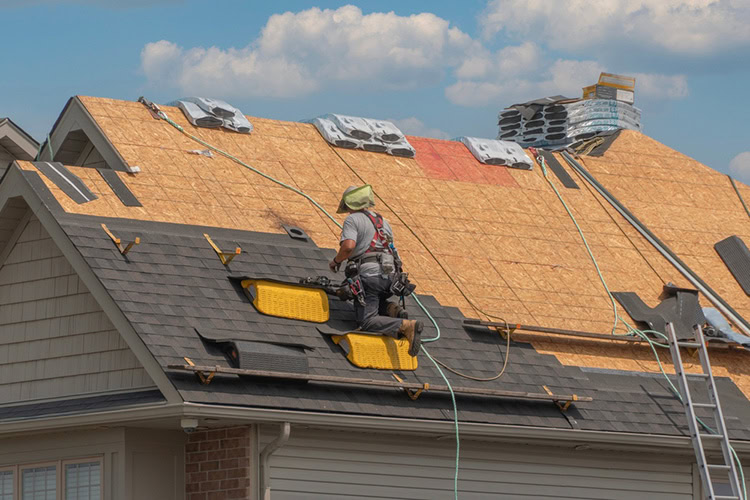
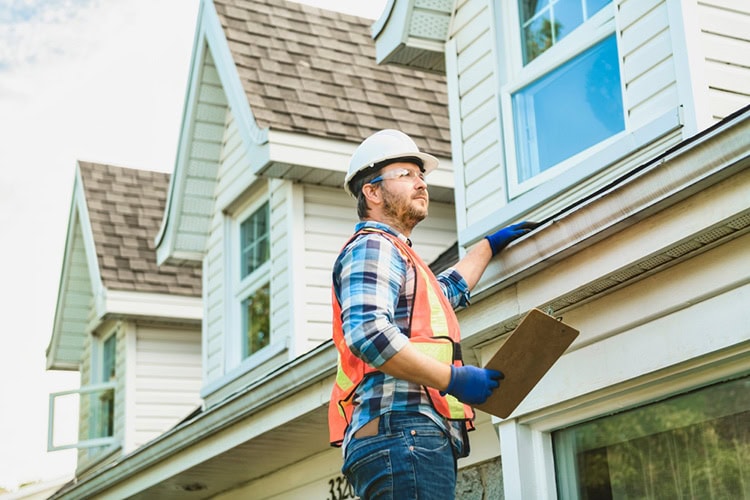
Your roof faces brutal challenges in Maricopa County. Discover the proactive repair secrets that prevent costly damage and extend your roof's life through Arizona's extreme heat and monsoon storms.
Share:
Summary:
Arizona doesn’t play fair with roofs; it treats them like a bully treats a lunch money stash. The combination of extreme heat, intense UV exposure, and seasonal storms creates accelerated wear that most roofing materials weren’t designed to handle long-term. If your roof had a “stress meter,” it would be vibrating in the red zone from June through September.
Your roof expands in the afternoon heat and contracts overnight when temperatures drop 40 to 50 degrees—a phenomenon known as “thermal shock,” or as we like to call it, “roof yoga without the zen.” That constant movement loosens nails, breaks sealant bonds, and accelerates wear on every component. Materials that last 30 years in Minnesota often retire early at 15 years here, presumably to move to Florida and play shuffleboard.
The UV exposure is relentless, acting like a giant magnifying glass held over your house by a bored kid. Day after day, intense radiation bakes the vital oils and resins right out of asphalt shingles, making them as brittle and inflexible as a cracker left in the sun. Once they lose their pliability, they crack if a bird lands too hard, which is why working with a roofing company that understands Arizona-specific materials is the only way to keep your sanity (and your ceiling) intact.
Monsoon season brings challenges that test every weakness in your roofing system, usually at 3:00 AM when you’re sound asleep. From June through September, Maricopa County experiences sudden storms that can dump two inches of rain in thirty minutes. Roofs that seem perfectly fine during “dry heat” can suddenly be overwhelmed, proving that water is the ultimate escape artist when it finds a tiny crack.
The problem isn’t just the rain; it’s the 60 mph winds that treat your shingles like a deck of cards in a hurricane. If heat damage has already weakened your tiles, a monsoon can be the final straw that sends them flying into your neighbor’s pool—which is an awkward way to introduce yourself. Any roofing contractor worth their salt knows that monsoon prep is the difference between a dry living room and an indoor water feature you didn’t ask for.
Wind damage often shows up as loose tiles or lifted shingles, but the real villain is the “Haboob.” These giant dust walls fill your gutters with enough dirt to start a small garden, causing water to back up and sneak under the underlayment. It’s like your roof is trying to hold back a flood with a clogged straw. For flat roofs, this debris-driven water pooling is the leading cause of “Why is my ceiling sagging?” phone calls.
The rapid temperature changes during these storms add a final layer of stress that your roof definitely didn’t put on its Christmas list. When rain hits those tiny cracks in hot tiles, the water gets trapped and creates pressure that turns small fissures into major breaks. It’s basically nature’s way of reminding you that maintenance isn’t optional—it’s survival. We recommend inspections before and after the season, unless you enjoy the “surprise” of a midnight leak.
You don’t need to be a professional mountain climber to spot warning signs; you just need to keep your eyes peeled during your morning walk. Missing, cracked, or curling shingles are obvious red flags that your roof is having a mid-life crisis. In Arizona, shingles can become so brittle they lose their protective granules, which end up in your gutters looking like weird, black sand—if you see enough to build a tiny sandcastle, we have a problem.
Check your downspouts for these granules regularly, as they are the “sunscreen” of your roof. Without them, your shingles are basically sunbathing in the desert without SPF 50, and we all know how that ends. If you’re finding chunks of roofing material on your lawn, your roof isn’t “shedding” for the summer; it’s literally falling apart and crying for help. Catching this early can keep repair costs between $350 and $1,500, which is much cheaper than a full-blown emergency.
Look for dented or damaged flashing around chimneys and vents, as these are the “gatekeepers” of your roof’s integrity. Trying to fix these yourself with a tube of hardware-store caulk is like trying to fix a broken leg with a colorful Band-Aid—it might look better for a second, but it’s not solving the problem. We use commercial-grade sealants designed to survive the desert, because regular goop just melts into a sticky puddle by noon.
Some of the most serious problems show up inside your home first, usually as a mysterious beige stain on the ceiling that you try to convince yourself is just a “shadow.” By the time you see interior water damage, the party has been going on in your attic for weeks. If you see light coming through your roof boards while in the attic, congratulations—you have a sunroof you never ordered. It’s time to call a professional before that “sunroof” becomes a “waterfall.”
Listen for new sounds during storms, like your roof is trying to learn percussion. Loose tiles or flashing make rattling or scraping noises that shouldn’t be there unless you’ve invited a family of raccoons to live up there. Don’t wait until the damage is “bad enough” to call; small fixes prevent the $1,500+ bills that come when you have to replace both the roof and the drywall beneath it.
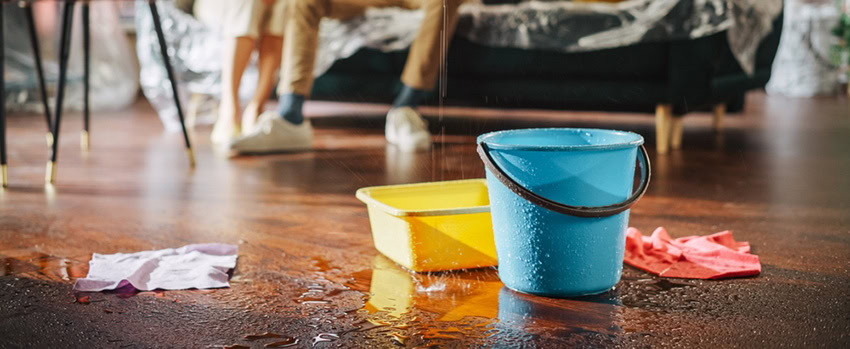
Most homeowners ignore the small stuff until they’re dealing with a fleet of buckets in the hallway. The fix isn’t complicated if you catch it early—replacing a few shingles is a quick afternoon job. But waiting until the monsoon is knocking on your interior door is a recipe for a very expensive problem. Working with a local pro for regular check-ups is the smartest financial move you can make, right after “not buying a house with a built-in volcano.”
Want live answers?
Connect with a Roofing All Stars expert for fast, friendly support.
There’s a fine line between a roof that needs a quick patch and one that belongs in a museum of “How Not to Protect a House.” Missing a few shingles after a particularly spicy windstorm? That’s a repair. But if your roof looks like it’s been through a rock tumbler and is losing shingles faster than a molting bird, replacement is likely the more merciful and financially sound option.
Age matters more in Arizona than in cooler states, mainly because our sun has no “chill” button. Shingles that are rated for 30 years elsewhere often start looking for retirement brochures around the 15-year mark in Maricopa County. If your roof is old enough to have its own driver’s license, it’s time to start planning. The underlayment—the unsung hero hiding under your tiles—eventually turns to dust, leaving you one storm away from a very damp disaster.
We like to use the “50 percent rule”: if the repair bill is more than half the cost of a new roof, you’re just putting a designer silk tie on a pig. Investing in a new roof at that point is the smarter move for your long-term bank account. An honest contractor will do the math with you, guaranteeing you aren’t just throwing “good money” after “bad shingles” while crossing your fingers every time the clouds turn grey.
Repairs are the “first aid” of the roofing world and can often save you from a major financial surgery. Small leaks don’t always mean your house is doomed; if you’ve got water coming through in just one spot after a storm, a targeted repair is usually all you need. Think of it as a localized fix for a localized problem—quick, affordable, and keeps the rain where it belongs (outside).
If less than 20 percent of your roof is acting up, you’re usually in the clear for a cost-effective repair. Regardless of if it’s a few shingles that decided to go on vacation or some loose flashing around the chimney, these are straightforward fixes. Replacing these specific bits can extend your roof’s life by another three to seven years, which is plenty of time to save up for the “Big One” without stressing every time a breeze picks up.
The desert sun is a master at cracking sealants, turning them into something resembling old peanut butter. These are typically “easy wins” for a roofing crew and cost a fraction of a full replacement. The key is catching these gaps before a monsoon wind turns one missing tile into a whole-roof demolition project. A stitch in time saves nine, and a tile replaced today saves a whole lot of drywall repair tomorrow.
If your roof is still in its “youth” (five to ten years old), repairs can easily push its lifespan well into the double digits. You just need an experienced pro to confirm the underlying “bones” of the roof are still healthy. It’s also worth checking your insurance, as many monsoon-related repairs are covered, making the decision to fix it an absolute no-brainer. Why pay for a whole new roof when a “tune-up” does the trick?
In Maricopa County, a standard repair usually lands between $350 and $1,500—essentially the cost of a fancy espresso machine or a very modest weekend getaway. Catching a problem early buys you years of assurance for a relatively small investment. However, if your roofer starts looking at your roof with the same face a mechanic makes at a 1980 Pinto, it might be time to accept that repairs are just a temporary bandage on a terminal situation.
Eventually, every roof reaches the “I’ve had enough” stage, where repairs become as effective as using a screen door on a submarine. If you have leaks popping up in multiple rooms like a game of Whac-A-Mole, or if 30 percent of your roof is missing its granules, the system has officially checked out. At this point, trying to patch things up is just delaying the inevitable and potentially inviting mold to move in as an unwanted roommate.
Curled edges on your shingles are your roof’s way of waving the white flag of surrender. When they look like they’ve been in a toaster for too long, they can no longer shed water or resist wind. If you’re calling a roofer every six months, you aren’t “maintaining” a roof; you’re just financing a contractor’s new truck one shingle at a time. A full replacement stops the cycle of madness and protects your home’s resale value.
Structural sagging or widespread “bald spots” across multiple sides of the house are the ultimate deal-breakers. In the heat of Maricopa County, the materials eventually lose the battle against chemistry, and the sealants and fasteners just quit. This applies to both homes and businesses, though a commercial roof failing is a much bigger issue—nobody likes “mystery ceiling drips” in the middle of a board meeting or a retail floor.
If the math shows your repairs are hitting the 50 percent mark of a replacement cost, it’s time to pull the trigger on a new system. A typical replacement in our area ranges from $10,000 to $20,000, which sounds like a lot until you realize it prevents $30,000 in structural and interior damage down the road. It’s an investment in your home’s future, rather than a recurring payment on its past failures.
Even if you aren’t seeing leaks yet, visible “aging” signs like rust spots on metal roofs or shattered tiles are the writing on the wall. Arizona’s climate is a marathon, not a sprint, and eventually, the materials just get tired. If your roof is over 20 years old, it’s basically a senior citizen in roof years, and it deserves a peaceful retirement before it fails during the next record-breaking storm. A brand new roof is the ultimate “peace of mind” purchase, coming with warranties that actually mean something and materials that reflect the sun rather than absorbing it. Modern roofs can significantly lower your AC bill, meaning the roof partially pays for itself by not turning your attic into an oven. When you factor in the energy savings and the fact that you won’t have to worry about every cloud in the sky, a replacement becomes a very logical, adult decision.
Your roof is the MVP of your home, standing between your family and 115-degree heatwaves, dust storms, and torrential rains. In Maricopa County, you can’t just “set it and forget it” like a slow cooker. The difference between a home that stays bone-dry and one that needs an indoor umbrella usually comes down to staying proactive and not ignoring the “little things” that the desert sun loves to exploit.
Understanding how our unique climate tries to eat your roof for breakfast puts you miles ahead of the average homeowner. When you know the warning signs—like finding half your shingles in the pool or seeing “mysterious shadows” on your ceiling—you can act before a small fix becomes a giant financial crater. It’s all about making informed choices so you can spend your money on things you enjoy, like a better AC unit or a swimming pool that isn’t full of roof granules.
The best time to check your roof is right now, before the next “Storm of the Century” decides to test your underlayment’s will to live. Regular inspections, especially around the monsoon season, keep you in control of the situation. If your roof is hitting that 15-year milestone or looking a little worse for wear, let us give you an honest assessment. We promise to tell you the truth, even if the truth is that your roof is ready for its gold watch and a retirement party.
Article details:
Share:
Continue learning: