Choosing a roofing contractor doesn't have to feel like navigating a minefield. These seven insider tips help Maricopa County homeowners find a trusted roofer without the stress.
Share:
Summary:
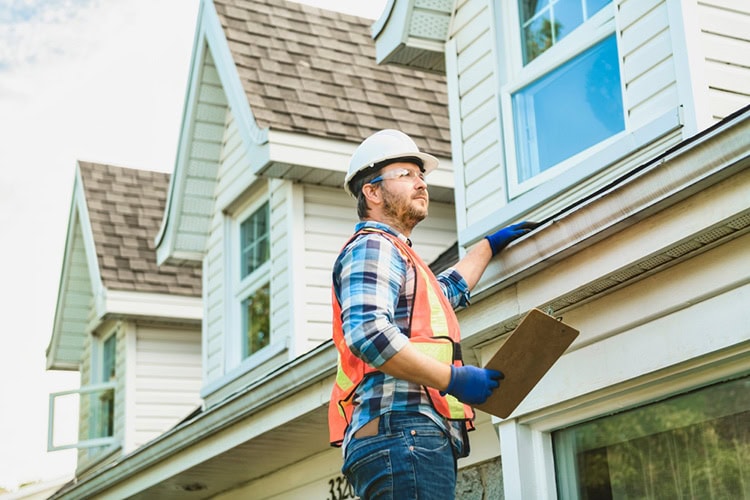
Before you invite a stranger to do a tap-dance on your shingles, check their Arizona Registrar of Contractors (ROC) license. In Arizona, any roofing job over $1,000 requires a valid license, which is basically the “adulting” certificate of the construction world. If a contractor tells you they don’t need one because they’re “just a small family business,” remember that even a lemonade stand has more paperwork than some of these fly-by-night operations. A valid ROC license means the roofer didn’t just find a ladder in a dumpster; they actually passed a trade exam and met state standards for safety and ethics. Unlicensed work is essentially a ticking time bomb for your property value. When you eventually try to sell your house, a home inspector will spot that unpermitted roof faster than a seagull spots a dropped french fry, and suddenly you’re paying to do the whole job over again.
Checking a license takes two minutes on the ROC website—roughly the same amount of time it takes to realize you’ve forgotten why you walked into the kitchen. If a contractor gets defensive when you ask for their number, treat it like a first date who refuses to tell you their last name. Reputable companies wear their ROC number like a badge of honor because they put in the effort to earn it.
When things go south with an unlicensed “pro,” you have zero recourse. There is no principal’s office to complain to, no bond to claim against, and usually, the contractor’s “office” is just a burner phone that’s about to be tossed into the Salt River.
Then there’s the fun world of liability. If a worker decides to take a gravity-defying leap off your eaves and the contractor doesn’t have workers’ compensation, your homeowner’s insurance becomes the lucky winner of those medical bills. That “unbeatable deal” suddenly turns into a $50,000 nightmare because you hired a guy who thought a hard hat was a fashion suggestion rather than a safety requirement.
Finally, consider the resale value of your home. If you have unpermitted work, you might as well try to sell a car with a wooden steering wheel. Smart buyers will demand a massive price cut or insist you tear the whole thing off and start over with a licensed professional. In the end, the only thing an unlicensed roofer “covers” is their own tracks when they skip town.
Verifying a license is easier than choosing a Netflix movie and significantly more productive. Head over to the Arizona ROC website and use their search tool; you can look up companies by name, or if they’re being shy, by the license number they (hopefully) printed on their truck. You’re looking for that beautiful “Active” status, which is the contractor equivalent of a “Clean Bill of Health” from a doctor.
While you’re digging around, check the classification codes. You want to see “CR-42” for residential roofing, not something unrelated like “Landscaping” or “Competitive Poodle Grooming.” Also, peek at the complaint history. A few minor grumbles are normal in this business, but if their record looks like a list of reasons why people move to different states, you should probably keep looking.
Don’t fall for the “it’s in the mail” excuse regarding their license renewal. If they can’t produce a current, active license right now, they shouldn’t be touching your roof right now. At Roofing All Stars, we’ve been at this since 1999, and we’re happy to show off our credentials—mostly because we’re proud we haven’t been chased out of town by a pitchfork-wielding mob in over two decades.
Want live answers?
Connect with a Roofing All Stars expert for fast, friendly support.
After a monsoon hits, storm chasers appear in Maricopa County faster than weeds after a rainstorm. These are the folks who follow hail the way some people follow Coachella, except with fewer flower crowns and more questionable contracts. They specialize in “The Knock”—that unsolicited visit where they claim they were “just in the neighborhood” and noticed your roof looks like it went twelve rounds with a belt sander.
Unless these guys are secretly part-time superheroes with telescopic vision, they cannot see your roof’s underlayment from the sidewalk. Their primary goal is to create a sense of panic that overrides your common sense. If they start talking about “imminent collapse” while looking at a tiny scuff mark, they’re not being helpful; they’re trying to audition for a role in a disaster movie at your expense. A real professional doesn’t need to hunt for customers like a hungry coyote. They have a physical office, a local reputation, and a phone number that hasn’t changed three times this month. If a contractor pressures you to sign a contract on your porch before the puddles have even dried, tell them you need to consult your financial advisor (which is actually just your dog, but they don’t need to know that).

Monsoon season is essentially “Black Friday” for roofing scammers. Between the microbursts and the hail that sounds like a drummer having a breakdown on your ceiling, homeowners are naturally on edge. Scammers thrive on this anxiety, knowing that a desperate homeowner is much more likely to skip the background check if it means stopping a leak before the next cloudburst hits.
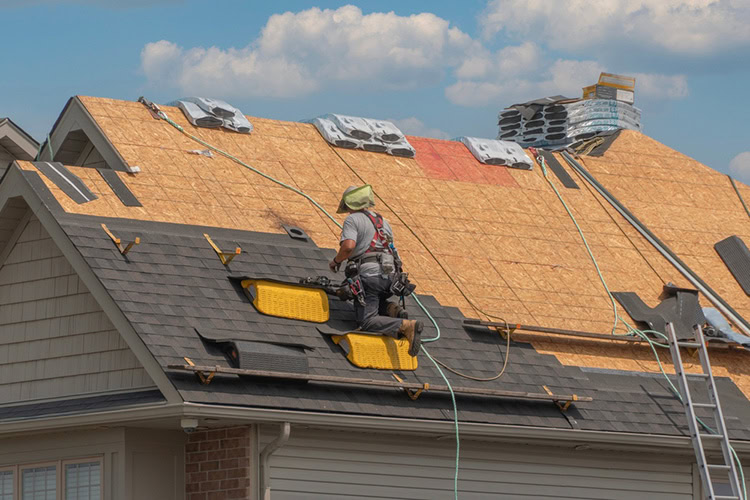
These “traveling teams” often operate out of white vans with magnetic signs that look like they were printed at a local library five minutes ago. They use inferior materials that aren’t designed for the 160-degree surface temperatures of an Arizona summer. Putting their shingles on your roof is like wearing a winter coat in July—it’s technically “coverage,” but the results are going to be messy and extremely uncomfortable.
The boldest scammers will even offer to “waive your deductible,” which is a fancy way of saying “Let’s commit insurance fraud together!” It sounds like a great deal until you realize that you’re the one whose name is on the policy. In the roofing world, if a deal seems too good to be true, it’s usually because the contractor plans on being three states away by the time your ceiling starts dripping again.
If the sky just dumped a swimming pool’s worth of water on your house, call your insurance company before you talk to the guy knocking on your door with a clipboard. Your insurance adjuster is the “referee” in this game; they determine what is actually broken and what is just old. This prevents you from being caught in the middle of a “He Said, She Said” battle between a greedy contractor and a skeptical insurer.
Once you have a claim number, get a few estimates from local companies who have a brick-and-mortar office in the county. A local contractor has a reputation to protect, mostly because they can’t exactly hide at the local grocery store if they did a bad job on your house. Look for someone who can explain thermal expansion without looking like they’re trying to solve a Rubik’s Cube in their head.
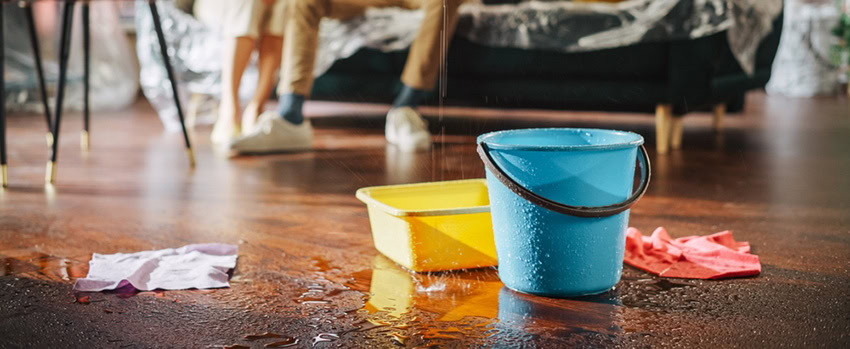
If you have a legitimate emergency, get a professional tarp job. It’s the roofing equivalent of a temporary bandage—it’s not pretty, but it keeps the “inside” of your house from becoming the “outside.” At Roofing All Stars, we offer a 2-4 hour emergency response because we know that “waiting until Monday” isn’t an option when your living room is hosting its own private rainstorm.
Choosing a roofer doesn’t have to be as stressful as a tax audit or a toddler’s birthday party. Just remember the Golden Rule: Verify the license, ignore the door-knockers, and always get it in writing. Your roof is the only thing standing between your expensive leather sofa and a very angry sun, so it’s worth taking the extra thirty minutes to make sure the person fixing it knows which end of the hammer to hold.
The best contractors are the ones who don’t mind you asking questions. If they act like their process is a “state secret,” it’s probably because their process involves a lot of duct tape and prayer. You want a pro who treats your home with respect and understands that in Arizona, a roof isn’t just a lid—it’s a survival suit for your house.
If you’re ready to work with a team that’s been surviving Arizona summers since 1999, give us a shout at Roofing All Stars.
Article details:
Share:
Continue learning: