Arizona Roof Repair: 25-Year Warranty Protection

Arizona's extreme heat and monsoon storms demand roof repairs built to last. Learn what it takes to protect your home from thermal shock and storm damage.

Share:

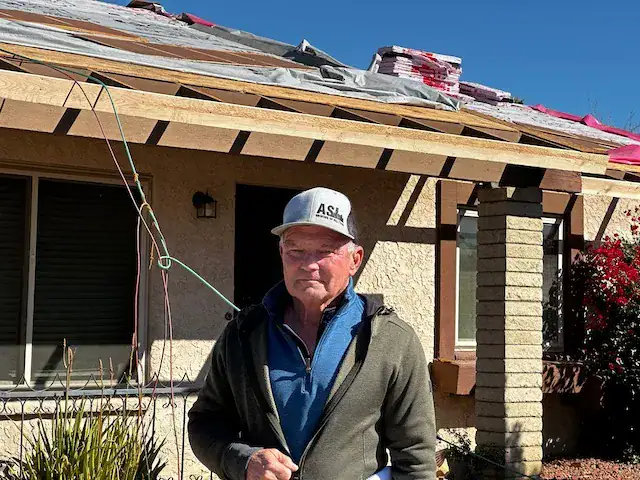
An older man in a cap and jacket stands before a house with a partially repaired roof, exposed wooden beams, and roofing materials stacked on top—likely awaiting help from a roofing contractor Maricopa County, AZ.

Summary:

Your roof faces challenges in Maricopa County that homeowners in other states never deal with. Between 115-degree summers that cook materials from the inside out and monsoon downpours that test every weak point, roof damage happens fast here. This guide walks you through everything you need to know about roof repair in Arizona—from identifying hidden damage before monsoon season to understanding what insurance actually covers. You’ll learn how to spot the difference between a quick fix and a repair that lasts. Whether you’re dealing with an active leak or trying to prevent one, the insights here help you make smarter decisions about protecting your biggest investment.
Table of contents

Your ceiling has a water stain that wasn’t there last week. Or maybe you heard tiles rattling during that last windstorm. Either way, you’re now facing a decision that feels bigger than it should—because in Maricopa County, roof problems don’t stay small for long.

Arizona’s climate doesn’t give roofs a break. The combination of extreme heat, sudden temperature swings, and monsoon storms creates conditions that accelerate damage faster than almost anywhere else in the country. What starts as a minor issue in May can become a major leak by July.

This guide breaks down what you actually need to know about roof repair in Maricopa County—the real costs, the warning signs that matter, and how to find someone who’ll fix it right the first time. Let’s start with what makes Arizona roofs fail in the first place.

What Causes Roof Damage in Maricopa County

Your roof in Maricopa County faces a daily assault that roofs in milder climates never experience. Surface temperatures hit 160 degrees during summer afternoons, then drop 40 degrees overnight. This constant expansion and contraction creates stress that compounds over time.

UV radiation here is relentless. It breaks down the oils in asphalt shingles and degrades protective coatings on tile and metal. What’s supposed to last 30 years elsewhere might only give you 15 to 20 in Arizona.

Then monsoon season arrives between June and September. Sudden downpours test every weak point that heat and UV created over the previous months. Wind gusts can exceed 60 mph, and those brief but intense storms find vulnerabilities you didn’t know existed.

Thermal Shock and Material Breakdown

Thermal shock is the technical term for what happens when your roof hits 160 degrees at midday and then gets hit by a 70-degree monsoon downpour. The materials expand and contract so violently that it creates physical stress throughout the entire system.

Shingles curl at the edges. Tiles develop hairline cracks that aren’t visible from the ground. Sealants around flashing lose their flexibility and start to separate. Even metal panels can develop stress points at the fasteners.

This process happens gradually, which makes it dangerous. You won’t see obvious damage until it’s already compromised the waterproofing layer underneath. By the time water stains appear on your ceiling, moisture has likely been getting through for weeks or months.

The 15-year mark is particularly critical for Arizona roofs. That’s when the cumulative effect of thermal cycling really starts to show. Materials that still look acceptable from the driveway may be brittle and weakened underneath.

If your roof is approaching or past 15 years old, a professional inspection before monsoon season isn’t optional—it’s essential. Small repairs made now cost a fraction of what you’ll pay for water damage and emergency fixes later.

The good news is that thermal shock damage is predictable when you work with experienced contractors. Certified Master Roofers who’ve spent 25+ years working in Arizona know exactly where to look and what materials hold up best. The key is catching issues while they’re still manageable.

Roof Damage Signs You Can't Ignore

Most homeowners don’t discover roof problems until water is actively dripping through their ceiling. By then, you’re dealing with emergency repairs and potential interior damage. Learning to spot early warning signs saves money and stress.

Missing or lifted shingles are obvious from the ground if you know where to look. After a windstorm, walk around your property and check for roofing materials in your yard or hanging from roof edges. Even a few missing shingles expose your roof deck to water damage during the next rainfall.

Granule loss shows up in your gutters. Those small, sand-like particles protect shingles from UV rays. Heavy granule accumulation after a storm signals hail damage that compromises your roof’s protective layer. This type of damage often looks minor initially but leads to major leaks down the road.

Water leak ceiling stains are the most obvious sign, but by the time you see them, water has been getting through for a while. Check your attic or crawl space if you can access it safely. Look for wet insulation, damp wood, or new water marks on rafters—these indicate active leaks that need immediate attention.

Cracked or broken tiles appear as misaligned sections or visible fractures. You might find small tile fragments in your gutters or landscaping. These pieces are telltale signs that impact damage has occurred, even if the tiles themselves remain in place.

Listen for new sounds during and after storms. Loose tiles or flashing make rattling or scraping noises when wind hits them. If you hear sounds from your roof that weren’t there before the last storm, that’s your roof telling you something has shifted or broken.

Energy bills creeping up without explanation can point to roof failure too. When your roof’s insulation properties break down or gaps develop, your AC works overtime to compensate. A failing roof in Arizona’s summer heat can add hundreds to your cooling costs.

Metal Roofers and Metal Roof Repair

Metal roofing has gained popularity in Maricopa County because it handles extreme heat better than most alternatives. Metal roofs reflect solar radiation instead of absorbing it, which can reduce cooling costs by up to 25 percent. But metal systems have their own repair challenges that require specialized expertise.

Metal roof installers need to understand thermal expansion. Metal panels expand and contract more than other materials, which means fasteners and seams take constant stress. Improperly installed systems develop leaks at connection points within just a few years.

Steel roof installation requires precision. Standing seam systems, where panels interlock with raised seams, provide excellent water resistance when installed correctly. But if the seams aren’t aligned properly or fasteners are over-tightened, you’ll have problems during the first monsoon season.

Metal Roof Leak Repair

Metal roof leak repair is different from fixing other roofing types because water travels along the panels before finally dripping through. The visible leak inside your home might be several feet away from where water is actually entering the roofing system.

Fastener failure is the most common source of metal roof leaks. Each screw that penetrates the panel is a potential entry point for water. Over time, thermal cycling loosens fasteners or degrades the rubber washers that create the seal. Repairing these leaks involves replacing fasteners and ensuring proper sealing.

Seam separation happens when the interlocking edges of metal panels pull apart. This can result from improper installation, extreme temperature swings, or structural movement. Fixing separated seams often requires removing and reinstalling entire panel sections—not just applying sealant over the gap.

Corrosion around penetrations is another frequent issue. Vents, skylights, and chimneys create transition points where different materials meet. If these areas weren’t flashed correctly or if dissimilar metals are in contact, corrosion develops. The rust you see on the surface indicates deeper problems underneath.

Coating failure affects the entire roof system. Many metal roofs rely on protective coatings to prevent rust and reflect heat. When those coatings break down from UV exposure, the underlying metal becomes vulnerable. Recoating can extend the roof’s life, but it needs to happen before corrosion starts.

Minor dents from hail usually don’t compromise waterproofing, but they can indicate hidden damage. Large hailstones that dent metal panels may have also damaged flashing or broken seals at fasteners. A professional inspection after hail storms identifies problems before they become leaks.

We know which repairs will hold up and which are just temporary fixes. The 25-year workmanship warranty we offer provides protection that matters when you’re investing in metal roof repairs.

Metal Shingles and Metal Roof Shingles

Metal shingles offer a different aesthetic than standing seam panels while still providing metal’s durability advantages. These systems mimic the appearance of traditional roof shingles or even tile, but they’re made from steel or aluminum designed to withstand Arizona’s climate.

Metal roof shingles install differently than panel systems. Each shingle interlocks with the ones around it, creating a water-shedding surface that doesn’t rely on exposed fasteners. This design reduces leak potential compared to screw-down metal panels.

Repair complexity varies with the damage location. If damaged shingles are near the roof’s edge, replacement is straightforward. But if you need to replace shingles in the middle of the roof, we must carefully remove and reinstall surrounding shingles without damaging them.

Color matching becomes an issue with metal shingles just like with panels. Even a few years of sun exposure fades the finish. New shingles will stand out against the weathered ones, which matters if you’re particular about appearance.

The interlocking design that makes metal shingles water-resistant also makes them more labor-intensive to repair. You can’t just pop out one damaged shingle—you need to work backward from a free edge, removing multiple shingles to access the damaged one. This increases labor costs compared to simpler repair systems.

Storm damage to metal shingles often affects multiple units. High winds can get underneath lifted edges and peel back entire sections. When this happens, you’re looking at a larger repair area than the initial damage might suggest.

Metal roofing contractors who specialize in shingle systems understand these challenges. We know how to minimize the repair footprint while ensuring the fix integrates seamlessly with the existing roof. That expertise matters when you’re trying to avoid replacing sections that don’t actually need it.

Roof Shingles and Shingle Repair Cost

Asphalt shingles remain the most common roofing material in Maricopa County despite Arizona’s harsh climate. They’re affordable, readily available, and contractors are familiar with installation and repair. But shingles face significant challenges here that homeowners in milder climates never encounter.

The intense UV radiation breaks down asphalt faster than almost anywhere else in the country. Shingles that should last 25 to 30 years might only give you 15 to 20 in Arizona. The protective granules that shield the asphalt underneath get baked off by constant sun exposure.

Shingle repair cost in Maricopa County typically ranges from $350 to $800 for minor repairs affecting a small section. Larger repairs that involve multiple areas or require replacing damaged decking underneath can reach $1,500 or more. The key variable is how much of the roof is affected and what caused the damage.
Summary:

Your roof faces challenges in Maricopa County that homeowners in other states never deal with. Between 115-degree summers that cook materials from the inside out and monsoon downpours that test every weak point, roof damage happens fast here. This guide walks you through everything you need to know about roof repair in Arizona—from identifying hidden damage before monsoon season to understanding what insurance actually covers. You’ll learn how to spot the difference between a quick fix and a repair that lasts. Whether you’re dealing with an active leak or trying to prevent one, the insights here help you make smarter decisions about protecting your biggest investment.
Table of contents

Your ceiling has a water stain that wasn’t there last week. Or maybe you heard tiles rattling during that last windstorm. Either way, you’re now facing a decision that feels bigger than it should—because in Maricopa County, roof problems don’t stay small for long.

Arizona’s climate doesn’t give roofs a break. The combination of extreme heat, sudden temperature swings, and monsoon storms creates conditions that accelerate damage faster than almost anywhere else in the country. What starts as a minor issue in May can become a major leak by July.

This guide breaks down what you actually need to know about roof repair in Maricopa County—the real costs, the warning signs that matter, and how to find someone who’ll fix it right the first time. Let’s start with what makes Arizona roofs fail in the first place.

What Causes Roof Damage in Maricopa County

Your roof in Maricopa County faces a daily assault that roofs in milder climates never experience. Surface temperatures hit 160 degrees during summer afternoons, then drop 40 degrees overnight. This constant expansion and contraction creates stress that compounds over time.

UV radiation here is relentless. It breaks down the oils in asphalt shingles and degrades protective coatings on tile and metal. What’s supposed to last 30 years elsewhere might only give you 15 to 20 in Arizona.

Then monsoon season arrives between June and September. Sudden downpours test every weak point that heat and UV created over the previous months. Wind gusts can exceed 60 mph, and those brief but intense storms find vulnerabilities you didn’t know existed.

Thermal Shock and Material Breakdown

Thermal shock is the technical term for what happens when your roof hits 160 degrees at midday and then gets hit by a 70-degree monsoon downpour. The materials expand and contract so violently that it creates physical stress throughout the entire system.

Shingles curl at the edges. Tiles develop hairline cracks that aren’t visible from the ground. Sealants around flashing lose their flexibility and start to separate. Even metal panels can develop stress points at the fasteners.

This process happens gradually, which makes it dangerous. You won’t see obvious damage until it’s already compromised the waterproofing layer underneath. By the time water stains appear on your ceiling, moisture has likely been getting through for weeks or months.

The 15-year mark is particularly critical for Arizona roofs. That’s when the cumulative effect of thermal cycling really starts to show. Materials that still look acceptable from the driveway may be brittle and weakened underneath.

If your roof is approaching or past 15 years old, a professional inspection before monsoon season isn’t optional—it’s essential. Small repairs made now cost a fraction of what you’ll pay for water damage and emergency fixes later.

The good news is that thermal shock damage is predictable when you work with experienced contractors. Certified Master Roofers who’ve spent 25+ years working in Arizona know exactly where to look and what materials hold up best. The key is catching issues while they’re still manageable.

Roof Damage Signs You Can't Ignore

Most homeowners don’t discover roof problems until water is actively dripping through their ceiling. By then, you’re dealing with emergency repairs and potential interior damage. Learning to spot early warning signs saves money and stress.

Missing or lifted shingles are obvious from the ground if you know where to look. After a windstorm, walk around your property and check for roofing materials in your yard or hanging from roof edges. Even a few missing shingles expose your roof deck to water damage during the next rainfall.

Granule loss shows up in your gutters. Those small, sand-like particles protect shingles from UV rays. Heavy granule accumulation after a storm signals hail damage that compromises your roof’s protective layer. This type of damage often looks minor initially but leads to major leaks down the road.

Water leak ceiling stains are the most obvious sign, but by the time you see them, water has been getting through for a while. Check your attic or crawl space if you can access it safely. Look for wet insulation, damp wood, or new water marks on rafters—these indicate active leaks that need immediate attention.

Cracked or broken tiles appear as misaligned sections or visible fractures. You might find small tile fragments in your gutters or landscaping. These pieces are telltale signs that impact damage has occurred, even if the tiles themselves remain in place.

Listen for new sounds during and after storms. Loose tiles or flashing make rattling or scraping noises when wind hits them. If you hear sounds from your roof that weren’t there before the last storm, that’s your roof telling you something has shifted or broken.

Energy bills creeping up without explanation can point to roof failure too. When your roof’s insulation properties break down or gaps develop, your AC works overtime to compensate. A failing roof in Arizona’s summer heat can add hundreds to your cooling costs.

Want live answers?

Connect with a Roofing All Stars expert for fast, friendly support.

Metal Roofers and Metal Roof Repair

Metal roofing has gained popularity in Maricopa County because it handles extreme heat better than most alternatives. Metal roofs reflect solar radiation instead of absorbing it, which can reduce cooling costs by up to 25 percent. But metal systems have their own repair challenges that require specialized expertise.

Metal roof installers need to understand thermal expansion. Metal panels expand and contract more than other materials, which means fasteners and seams take constant stress. Improperly installed systems develop leaks at connection points within just a few years.

Steel roof installation requires precision. Standing seam systems, where panels interlock with raised seams, provide excellent water resistance when installed correctly. But if the seams aren’t aligned properly or fasteners are over-tightened, you’ll have problems during the first monsoon season.

Metal Roof Leak Repair

Metal roof leak repair is different from fixing other roofing types because water travels along the panels before finally dripping through. The visible leak inside your home might be several feet away from where water is actually entering the roofing system.

Fastener failure is the most common source of metal roof leaks. Each screw that penetrates the panel is a potential entry point for water. Over time, thermal cycling loosens fasteners or degrades the rubber washers that create the seal. Repairing these leaks involves replacing fasteners and ensuring proper sealing.

Seam separation happens when the interlocking edges of metal panels pull apart. This can result from improper installation, extreme temperature swings, or structural movement. Fixing separated seams often requires removing and reinstalling entire panel sections—not just applying sealant over the gap.

Corrosion around penetrations is another frequent issue. Vents, skylights, and chimneys create transition points where different materials meet. If these areas weren’t flashed correctly or if dissimilar metals are in contact, corrosion develops. The rust you see on the surface indicates deeper problems underneath.

Coating failure affects the entire roof system. Many metal roofs rely on protective coatings to prevent rust and reflect heat. When those coatings break down from UV exposure, the underlying metal becomes vulnerable. Recoating can extend the roof’s life, but it needs to happen before corrosion starts.

Minor dents from hail usually don’t compromise waterproofing, but they can indicate hidden damage. Large hailstones that dent metal panels may have also damaged flashing or broken seals at fasteners. A professional inspection after hail storms identifies problems before they become leaks.

We know which repairs will hold up and which are just temporary fixes. The 25-year workmanship warranty we offer provides protection that matters when you’re investing in metal roof repairs.

Metal Shingles and Metal Roof Shingles

Metal shingles offer a different aesthetic than standing seam panels while still providing metal’s durability advantages. These systems mimic the appearance of traditional roof shingles or even tile, but they’re made from steel or aluminum designed to withstand Arizona’s climate.

Metal roof shingles install differently than panel systems. Each shingle interlocks with the ones around it, creating a water-shedding surface that doesn’t rely on exposed fasteners. This design reduces leak potential compared to screw-down metal panels.

Repair complexity varies with the damage location. If damaged shingles are near the roof’s edge, replacement is straightforward. But if you need to replace shingles in the middle of the roof, we must carefully remove and reinstall surrounding shingles without damaging them.

Color matching becomes an issue with metal shingles just like with panels. Even a few years of sun exposure fades the finish. New shingles will stand out against the weathered ones, which matters if you’re particular about appearance.

The interlocking design that makes metal shingles water-resistant also makes them more labor-intensive to repair. You can’t just pop out one damaged shingle—you need to work backward from a free edge, removing multiple shingles to access the damaged one. This increases labor costs compared to simpler repair systems.

Storm damage to metal shingles often affects multiple units. High winds can get underneath lifted edges and peel back entire sections. When this happens, you’re looking at a larger repair area than the initial damage might suggest.

Metal roofing contractors who specialize in shingle systems understand these challenges. We know how to minimize the repair footprint while ensuring the fix integrates seamlessly with the existing roof. That expertise matters when you’re trying to avoid replacing sections that don’t actually need it.

Roof Shingles and Shingle Repair Cost

Asphalt shingles remain the most common roofing material in Maricopa County despite Arizona’s harsh climate. They’re affordable, readily available, and contractors are familiar with installation and repair. But shingles face significant challenges here that homeowners in milder climates never encounter.

The intense UV radiation breaks down asphalt faster than almost anywhere else in the country. Shingles that should last 25 to 30 years might only give you 15 to 20 in Arizona. The protective granules that shield the asphalt underneath get baked off by constant sun exposure.

Shingle repair cost in Maricopa County typically ranges from $350 to $800 for minor repairs affecting a small section. Larger repairs that involve multiple areas or require replacing damaged decking underneath can reach $1,500 or more. The key variable is how much of the roof is affected and what caused the damage.
Article details:

Share: