Emergency Roof Tarping: 24/7 Arizona Storm Protection

When monsoon storms damage your Maricopa County roof, professional emergency tarping stops water intrusion immediately and protects your home until permanent repairs can be completed.

Share:

Summary:

Arizona monsoons don’t wait for convenient timing, and neither does the water damage that follows roof failures. Emergency roof tarping provides immediate protection when storms strike, preventing thousands in additional damage while you arrange permanent repairs. Professional tarping installation makes the difference between a manageable situation and escalating destruction. This guide walks you through when tarping is necessary, what the process involves, how it protects your insurance claim, and why Arizona’s unique climate demands experienced professionals who understand desert heat and monsoon conditions.
Table of contents

That monsoon just tore through Maricopa County, and now you’re watching water drip into your living room. Or you spotted shingles scattered across your yard after last night’s wind. Maybe you heard that rattling sound during the storm and found a section of your roof missing this morning.

Whatever brought you here, you need answers fast. Emergency roof tarping isn’t just about throwing a tarp over damage—it’s about stopping water intrusion before it soaks insulation, ruins ceilings, and creates mold problems that cost more than the original leak. You’ll learn exactly when tarping is necessary, what proper installation looks like, how it affects your insurance claim, and why Arizona’s climate makes professional help worth every dollar.

What Is Emergency Roof Tarping and When Do You Need It

Emergency roof tarping creates a temporary waterproof barrier over damaged sections of your roof. It’s the critical first response after storms, fallen trees, or sudden roof failures that leave your home vulnerable to water intrusion. The tarp redirects rain away from compromised areas until permanent repairs can be scheduled and completed.

You need emergency tarping the moment your roof can’t keep water out. Active leaks during or after storms require immediate attention. Missing shingles, visible holes, or damaged flashing all create entry points for moisture. Even damage that looks minor from the ground can expose underlayment or decking to Arizona’s monsoon rains.

The timing matters more than most homeowners realize. Every hour water enters your home, it spreads through insulation, seeps into walls, and saturates materials that become breeding grounds for mold. Acting within 24 to 48 hours after damage dramatically reduces repair costs and prevents secondary problems that insurance companies love to dispute.

Signs You Need Emergency Roof Tarping Services Right Now

Water stains spreading across your ceiling mean moisture has already traveled through roof decking, soaked insulation, and reached interior materials. By the time you see brown spots or paint bubbling, water has been working its way through your roof system for a while. That visible damage represents just a fraction of what’s happening inside your walls and attic space.

Missing or damaged shingles after windstorms leave your roof deck exposed to the elements. Maricopa County monsoons regularly hit 75 mph winds that tear roofing materials right off homes. Even a few missing pieces create vulnerabilities that channel water straight into your attic during the next rainfall. Those gaps also compromise your roof’s ability to resist future wind damage.

Listen for sounds that weren’t there before the storm. Rattling tiles, scraping noises when wind hits your roof, or creaking sounds indicate something has shifted or broken. These audio clues often reveal damage you can’t see from the ground. Loose materials become projectiles in the next storm while allowing water to penetrate your roofing system.

Check your attic if you can access it safely. Wet insulation loses effectiveness immediately and develops mold problems quickly in Arizona’s heat. Damp wood, new water marks on rafters, or moisture on the underside of your roof decking all signal active leaks that need professional attention before the next weather event hits. Don’t wait for the problem to announce itself by dripping into your living space.

Visible holes or punctures in your roof require immediate tarping. Whether caused by fallen branches, wind-blown debris, or storm damage, any opening that lets you see daylight from your attic needs coverage now. These direct pathways for water create the fastest route to serious interior damage and mold growth.

How Professional Roof Tarping Services Protect Your Home

Professional tarping creates a waterproof barrier that can shield your home for up to 90 days. That protection buys you time to work with insurance adjusters, get multiple repair estimates, and schedule permanent fixes without rushing into decisions while water pours into your home. The tarp keeps additional damage from accumulating while you handle the business side of roof repair.

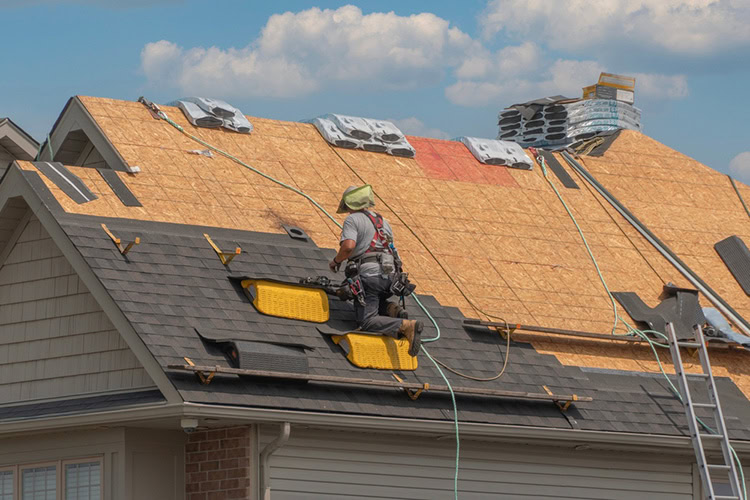
Proper installation requires more than just throwing a tarp over the damaged area. We measure coverage to extend well beyond the compromised section, ensuring water can’t sneak underneath edges. The tarp gets anchored using techniques that withstand Arizona’s high winds and intense sun. Heavy-duty materials rated for roof applications resist tearing and UV damage that cheap hardware store tarps can’t handle.

The installation process starts with a thorough damage assessment from ground level and, when safe, from the roof itself. We document everything with photos and detailed notes that become essential for your insurance claim later. We identify all vulnerable areas, not just the obvious damage, preventing surprises when permanent repairs begin.

Debris gets removed before the tarp goes down. Loose shingles, broken tiles, branches, or other materials that could puncture the tarp or prevent it from lying flat all get cleared away. This preparation ensures the tarp creates a smooth, continuous barrier without gaps or weak points where water could pool or penetrate.

The tarp itself gets wrapped around anchor boards and stretched tight across the damaged area. We use deck screws driven into roof rafters rather than just the roof deck, creating secure attachment points that won’t pull loose in high winds. Rubber washers around screws create watertight seals, preventing leaks at the fastening points themselves.

A second layer of lumber often gets added on top of tarp edges for extra wind resistance. This sandwich technique—tarp wrapped around boards on bottom, additional boards on top—creates a system that handles the weather conditions Maricopa County throws at it. The installation prevents the tarp from becoming a sail that tears loose during the next monsoon.

Professional tarping also means we check for hazards before climbing on your roof. Downed power lines, unstable surfaces from water damage, or structural concerns that could cause roof collapse all get identified before anyone’s safety is at risk. Homeowners attempting DIY tarping face serious injury risks that professionals with proper training and equipment can avoid.

Emergency Roof Repair Costs and Insurance Coverage

Emergency roof tarping typically costs between $500 and $1,200 for most residential properties in Maricopa County. The price varies based on roof size, damage extent, accessibility, and timing. After-hours service or weekend emergency calls may include additional fees, but those charges prevent thousands in water damage that accumulates while you wait for regular business hours.

Larger roofs or steep pitches increase both material and labor requirements. A 1,500 square foot roof might run $1,050 to $4,200 depending on complexity and urgency. Roofs with multiple levels, complex designs with valleys and dormers, or difficult access all add time and equipment needs that affect final costs.

Most homeowners insurance policies cover emergency tarping when damage results from covered events like storms, wind, hail, or falling objects. Insurance companies actually require you to take reasonable steps preventing further damage after a loss. Professional tarping satisfies that requirement and often gets rolled directly into your main claim rather than counting as a separate deductible.

What Affects Emergency Roof Tarp Cost in Arizona

The extent of damage directly impacts tarping costs. A small section of missing shingles requires less material and labor than widespread storm damage affecting multiple roof areas. We need to cover enough space to protect all vulnerable areas, with tarps extending well beyond the damaged section to prevent water from working its way underneath edges.

Roof accessibility plays a major role in pricing. Single-story homes with low-slope roofs cost less to tarp than multi-story buildings or steep-pitched roofs requiring additional safety equipment. Homes surrounded by landscaping, pools, or other obstacles that complicate ladder placement and material staging add time and difficulty to the job.

Material quality affects both upfront costs and long-term protection. Heavy-duty polyethylene tarps rated at 8 to 12 mil thickness cost more than thin hardware store versions, but they resist Arizona’s intense UV exposure and hold up against wind without tearing. That durability matters when your tarp needs to protect your home for weeks or months while permanent repairs get scheduled.

Timing and urgency influence emergency service rates. Calls during active storms, late-night emergencies, or weekend requests often include premium charges for immediate response. Those fees reflect the reality that roofing crews drop other work, travel in difficult conditions, and take on additional risks to protect your home when you need help most. The alternative—waiting until regular business hours while water pours into your home—typically costs far more in interior damage than emergency service premiums.

The type of roofing material on your home affects installation complexity. Tile roofs require careful navigation to avoid breaking additional tiles during tarp installation. Metal roofing presents different challenges than asphalt shingles. Flat or low-slope roofs need different securing techniques than steep-pitched residential roofs. We adjust our approach based on your specific roofing system.

Storm severity and seasonal demand impact pricing across the industry. After major monsoon events that damage multiple homes, demand for emergency services spikes while available crews remain limited. Getting help quickly might mean paying premium rates, but that immediate response prevents the compounding damage that occurs when roofs remain exposed through additional rain events.

How to Work With Insurance After Emergency Roof Damage

Contact your insurance company within 24 to 48 hours of discovering damage. Most policies require prompt notification, and delays can complicate your claim or even jeopardize coverage. Call your insurer before hiring contractors for permanent repairs, but don’t wait to get emergency tarping that prevents additional damage.

Document everything before tarps go up and after they’re installed. Take photos and videos from multiple angles showing the damage, its location, and the overall condition of your roof. Capture images of interior damage like water stains, wet insulation, or damaged belongings. Timestamp your documentation and keep organized records of all communications with your insurance company.

We provide detailed damage assessments that support your claim. These reports document what caused the damage, the extent of the problem, and the necessary repairs. Insurance adjusters rely on this information when determining coverage and payout amounts. Working with experienced roofers who understand the claims process makes the difference between smooth approvals and disputed settlements.

Most Arizona homeowners carry policies that cover sudden, accidental damage from named perils including wind, hail, and falling objects. Monsoon damage typically qualifies as sudden and event-based, meaning your policy should cover emergency roof repair costs. However, damage from wear and tear, age, or lack of maintenance usually falls outside coverage—which is why regular roof inspections and prompt repairs matter.

Keep receipts for emergency tarping, temporary repairs, and any expenses incurred to prevent further damage. Insurance companies generally reimburse these costs as part of your claim. Save documentation of hotel stays if roof damage forces you from your home, plus receipts for meals, emergency supplies, and other storm-related expenses that might qualify for coverage under your policy.

The claims process moves faster when you provide complete information upfront. Your insurance company will assign an adjuster who schedules a property inspection to assess damage firsthand. Having professional documentation ready, organized photos, and a clear timeline of events helps adjusters understand the situation quickly and accurately.

Be present during the adjuster’s inspection if possible. Point out all damage, including areas that might not be immediately obvious. Ask questions about coverage, deductibles, and the claims timeline. Take notes during the inspection and request copies of the adjuster’s report and any documentation they create.

Understand the difference between Actual Cash Value and Replacement Cost Value policies. ACV policies pay your roof’s current market value after factoring in age and wear. If your roof is 15-plus years old, the reimbursement might be significantly lower than replacement costs. RCV policies pay the full cost of replacing your roof with similar materials minus your deductible, offering more comprehensive protection but typically carrying higher premiums.

Getting Professional Emergency Roofing Help in Maricopa County

Emergency roof tarping protects your home when Arizona storms strike. Professional installation prevents water damage, supports your insurance claim, and buys time for permanent repairs without the panic of active leaks destroying your interior. The investment in proper tarping saves thousands in secondary damage while giving you control over the repair process.

Arizona’s climate demands roofers who understand monsoon patterns, extreme heat, and the specific challenges facing Maricopa County homes. Experience with local conditions, proper materials rated for desert weather, and fast response times all matter when your roof can’t wait. Working with professionals who’ve handled hundreds of emergency situations means you’re getting proven solutions rather than hoping a quick fix holds.

We’ve been protecting Maricopa County homes since 1999, combining rapid emergency response with the expertise that comes from 25-plus years serving this community. When storm damage leaves your home vulnerable, you need roofers who understand both the immediate crisis and the long-term solutions that Arizona roofs require.
Summary:

Arizona monsoons don’t wait for convenient timing, and neither does the water damage that follows roof failures. Emergency roof tarping provides immediate protection when storms strike, preventing thousands in additional damage while you arrange permanent repairs. Professional tarping installation makes the difference between a manageable situation and escalating destruction. This guide walks you through when tarping is necessary, what the process involves, how it protects your insurance claim, and why Arizona’s unique climate demands experienced professionals who understand desert heat and monsoon conditions.
Table of contents

That monsoon just tore through Maricopa County, and now you’re watching water drip into your living room. Or you spotted shingles scattered across your yard after last night’s wind. Maybe you heard that rattling sound during the storm and found a section of your roof missing this morning.

Whatever brought you here, you need answers fast. Emergency roof tarping isn’t just about throwing a tarp over damage—it’s about stopping water intrusion before it soaks insulation, ruins ceilings, and creates mold problems that cost more than the original leak. You’ll learn exactly when tarping is necessary, what proper installation looks like, how it affects your insurance claim, and why Arizona’s climate makes professional help worth every dollar.

What Is Emergency Roof Tarping and When Do You Need It

Emergency roof tarping creates a temporary waterproof barrier over damaged sections of your roof. It’s the critical first response after storms, fallen trees, or sudden roof failures that leave your home vulnerable to water intrusion. The tarp redirects rain away from compromised areas until permanent repairs can be scheduled and completed.

You need emergency tarping the moment your roof can’t keep water out. Active leaks during or after storms require immediate attention. Missing shingles, visible holes, or damaged flashing all create entry points for moisture. Even damage that looks minor from the ground can expose underlayment or decking to Arizona’s monsoon rains.

The timing matters more than most homeowners realize. Every hour water enters your home, it spreads through insulation, seeps into walls, and saturates materials that become breeding grounds for mold. Acting within 24 to 48 hours after damage dramatically reduces repair costs and prevents secondary problems that insurance companies love to dispute.

Signs You Need Emergency Roof Tarping Services Right Now

Water stains spreading across your ceiling mean moisture has already traveled through roof decking, soaked insulation, and reached interior materials. By the time you see brown spots or paint bubbling, water has been working its way through your roof system for a while. That visible damage represents just a fraction of what’s happening inside your walls and attic space.

Missing or damaged shingles after windstorms leave your roof deck exposed to the elements. Maricopa County monsoons regularly hit 75 mph winds that tear roofing materials right off homes. Even a few missing pieces create vulnerabilities that channel water straight into your attic during the next rainfall. Those gaps also compromise your roof’s ability to resist future wind damage.

Listen for sounds that weren’t there before the storm. Rattling tiles, scraping noises when wind hits your roof, or creaking sounds indicate something has shifted or broken. These audio clues often reveal damage you can’t see from the ground. Loose materials become projectiles in the next storm while allowing water to penetrate your roofing system.

Check your attic if you can access it safely. Wet insulation loses effectiveness immediately and develops mold problems quickly in Arizona’s heat. Damp wood, new water marks on rafters, or moisture on the underside of your roof decking all signal active leaks that need professional attention before the next weather event hits. Don’t wait for the problem to announce itself by dripping into your living space.

Visible holes or punctures in your roof require immediate tarping. Whether caused by fallen branches, wind-blown debris, or storm damage, any opening that lets you see daylight from your attic needs coverage now. These direct pathways for water create the fastest route to serious interior damage and mold growth.

How Professional Roof Tarping Services Protect Your Home

Professional tarping creates a waterproof barrier that can shield your home for up to 90 days. That protection buys you time to work with insurance adjusters, get multiple repair estimates, and schedule permanent fixes without rushing into decisions while water pours into your home. The tarp keeps additional damage from accumulating while you handle the business side of roof repair.

Proper installation requires more than just throwing a tarp over the damaged area. We measure coverage to extend well beyond the compromised section, ensuring water can’t sneak underneath edges. The tarp gets anchored using techniques that withstand Arizona’s high winds and intense sun. Heavy-duty materials rated for roof applications resist tearing and UV damage that cheap hardware store tarps can’t handle.

The installation process starts with a thorough damage assessment from ground level and, when safe, from the roof itself. We document everything with photos and detailed notes that become essential for your insurance claim later. We identify all vulnerable areas, not just the obvious damage, preventing surprises when permanent repairs begin.

Debris gets removed before the tarp goes down. Loose shingles, broken tiles, branches, or other materials that could puncture the tarp or prevent it from lying flat all get cleared away. This preparation ensures the tarp creates a smooth, continuous barrier without gaps or weak points where water could pool or penetrate.

The tarp itself gets wrapped around anchor boards and stretched tight across the damaged area. We use deck screws driven into roof rafters rather than just the roof deck, creating secure attachment points that won’t pull loose in high winds. Rubber washers around screws create watertight seals, preventing leaks at the fastening points themselves.

A second layer of lumber often gets added on top of tarp edges for extra wind resistance. This sandwich technique—tarp wrapped around boards on bottom, additional boards on top—creates a system that handles the weather conditions Maricopa County throws at it. The installation prevents the tarp from becoming a sail that tears loose during the next monsoon.

Professional tarping also means we check for hazards before climbing on your roof. Downed power lines, unstable surfaces from water damage, or structural concerns that could cause roof collapse all get identified before anyone’s safety is at risk. Homeowners attempting DIY tarping face serious injury risks that professionals with proper training and equipment can avoid.

Want live answers?

Connect with a Roofing All Stars expert for fast, friendly support.

Emergency Roof Repair Costs and Insurance Coverage

Emergency roof tarping typically costs between $500 and $1,200 for most residential properties in Maricopa County. The price varies based on roof size, damage extent, accessibility, and timing. After-hours service or weekend emergency calls may include additional fees, but those charges prevent thousands in water damage that accumulates while you wait for regular business hours.

Larger roofs or steep pitches increase both material and labor requirements. A 1,500 square foot roof might run $1,050 to $4,200 depending on complexity and urgency. Roofs with multiple levels, complex designs with valleys and dormers, or difficult access all add time and equipment needs that affect final costs.

Most homeowners insurance policies cover emergency tarping when damage results from covered events like storms, wind, hail, or falling objects. Insurance companies actually require you to take reasonable steps preventing further damage after a loss. Professional tarping satisfies that requirement and often gets rolled directly into your main claim rather than counting as a separate deductible.

What Affects Emergency Roof Tarp Cost in Arizona

The extent of damage directly impacts tarping costs. A small section of missing shingles requires less material and labor than widespread storm damage affecting multiple roof areas. We need to cover enough space to protect all vulnerable areas, with tarps extending well beyond the damaged section to prevent water from working its way underneath edges.

Roof accessibility plays a major role in pricing. Single-story homes with low-slope roofs cost less to tarp than multi-story buildings or steep-pitched roofs requiring additional safety equipment. Homes surrounded by landscaping, pools, or other obstacles that complicate ladder placement and material staging add time and difficulty to the job.

Material quality affects both upfront costs and long-term protection. Heavy-duty polyethylene tarps rated at 8 to 12 mil thickness cost more than thin hardware store versions, but they resist Arizona’s intense UV exposure and hold up against wind without tearing. That durability matters when your tarp needs to protect your home for weeks or months while permanent repairs get scheduled.

Timing and urgency influence emergency service rates. Calls during active storms, late-night emergencies, or weekend requests often include premium charges for immediate response. Those fees reflect the reality that roofing crews drop other work, travel in difficult conditions, and take on additional risks to protect your home when you need help most. The alternative—waiting until regular business hours while water pours into your home—typically costs far more in interior damage than emergency service premiums.

The type of roofing material on your home affects installation complexity. Tile roofs require careful navigation to avoid breaking additional tiles during tarp installation. Metal roofing presents different challenges than asphalt shingles. Flat or low-slope roofs need different securing techniques than steep-pitched residential roofs. We adjust our approach based on your specific roofing system.

Storm severity and seasonal demand impact pricing across the industry. After major monsoon events that damage multiple homes, demand for emergency services spikes while available crews remain limited. Getting help quickly might mean paying premium rates, but that immediate response prevents the compounding damage that occurs when roofs remain exposed through additional rain events.

How to Work With Insurance After Emergency Roof Damage

Contact your insurance company within 24 to 48 hours of discovering damage. Most policies require prompt notification, and delays can complicate your claim or even jeopardize coverage. Call your insurer before hiring contractors for permanent repairs, but don’t wait to get emergency tarping that prevents additional damage.

Document everything before tarps go up and after they’re installed. Take photos and videos from multiple angles showing the damage, its location, and the overall condition of your roof. Capture images of interior damage like water stains, wet insulation, or damaged belongings. Timestamp your documentation and keep organized records of all communications with your insurance company.

We provide detailed damage assessments that support your claim. These reports document what caused the damage, the extent of the problem, and the necessary repairs. Insurance adjusters rely on this information when determining coverage and payout amounts. Working with experienced roofers who understand the claims process makes the difference between smooth approvals and disputed settlements.

Most Arizona homeowners carry policies that cover sudden, accidental damage from named perils including wind, hail, and falling objects. Monsoon damage typically qualifies as sudden and event-based, meaning your policy should cover emergency roof repair costs. However, damage from wear and tear, age, or lack of maintenance usually falls outside coverage—which is why regular roof inspections and prompt repairs matter.

Keep receipts for emergency tarping, temporary repairs, and any expenses incurred to prevent further damage. Insurance companies generally reimburse these costs as part of your claim. Save documentation of hotel stays if roof damage forces you from your home, plus receipts for meals, emergency supplies, and other storm-related expenses that might qualify for coverage under your policy.

The claims process moves faster when you provide complete information upfront. Your insurance company will assign an adjuster who schedules a property inspection to assess damage firsthand. Having professional documentation ready, organized photos, and a clear timeline of events helps adjusters understand the situation quickly and accurately.

Be present during the adjuster’s inspection if possible. Point out all damage, including areas that might not be immediately obvious. Ask questions about coverage, deductibles, and the claims timeline. Take notes during the inspection and request copies of the adjuster’s report and any documentation they create.

Understand the difference between Actual Cash Value and Replacement Cost Value policies. ACV policies pay your roof’s current market value after factoring in age and wear. If your roof is 15-plus years old, the reimbursement might be significantly lower than replacement costs. RCV policies pay the full cost of replacing your roof with similar materials minus your deductible, offering more comprehensive protection but typically carrying higher premiums.

Getting Professional Emergency Roofing Help in Maricopa County

Emergency roof tarping protects your home when Arizona storms strike. Professional installation prevents water damage, supports your insurance claim, and buys time for permanent repairs without the panic of active leaks destroying your interior. The investment in proper tarping saves thousands in secondary damage while giving you control over the repair process.

Arizona’s climate demands roofers who understand monsoon patterns, extreme heat, and the specific challenges facing Maricopa County homes. Experience with local conditions, proper materials rated for desert weather, and fast response times all matter when your roof can’t wait. Working with professionals who’ve handled hundreds of emergency situations means you’re getting proven solutions rather than hoping a quick fix holds.

We’ve been protecting Maricopa County homes since 1999, combining rapid emergency response with the expertise that comes from 25-plus years serving this community. When storm damage leaves your home vulnerable, you need roofers who understand both the immediate crisis and the long-term solutions that Arizona roofs require.

Article details:

Share: