
Hear from Our Customers
When your flat or low-slope roof gets a properly installed spray foam system, the first thing you notice isn’t how it looks — it’s what stops happening. No more watching the ceiling during a monsoon. No more dreading the July electric bill. Parkside sits north of the Phoenix basin near Daisy Mountain, which means your home gets more rainfall than most of the Valley — roughly 12 inches a year compared to Phoenix’s 8. That extra moisture has to go somewhere, and if your current roof has seams, joints, or aging fasteners, it’s going to find them.
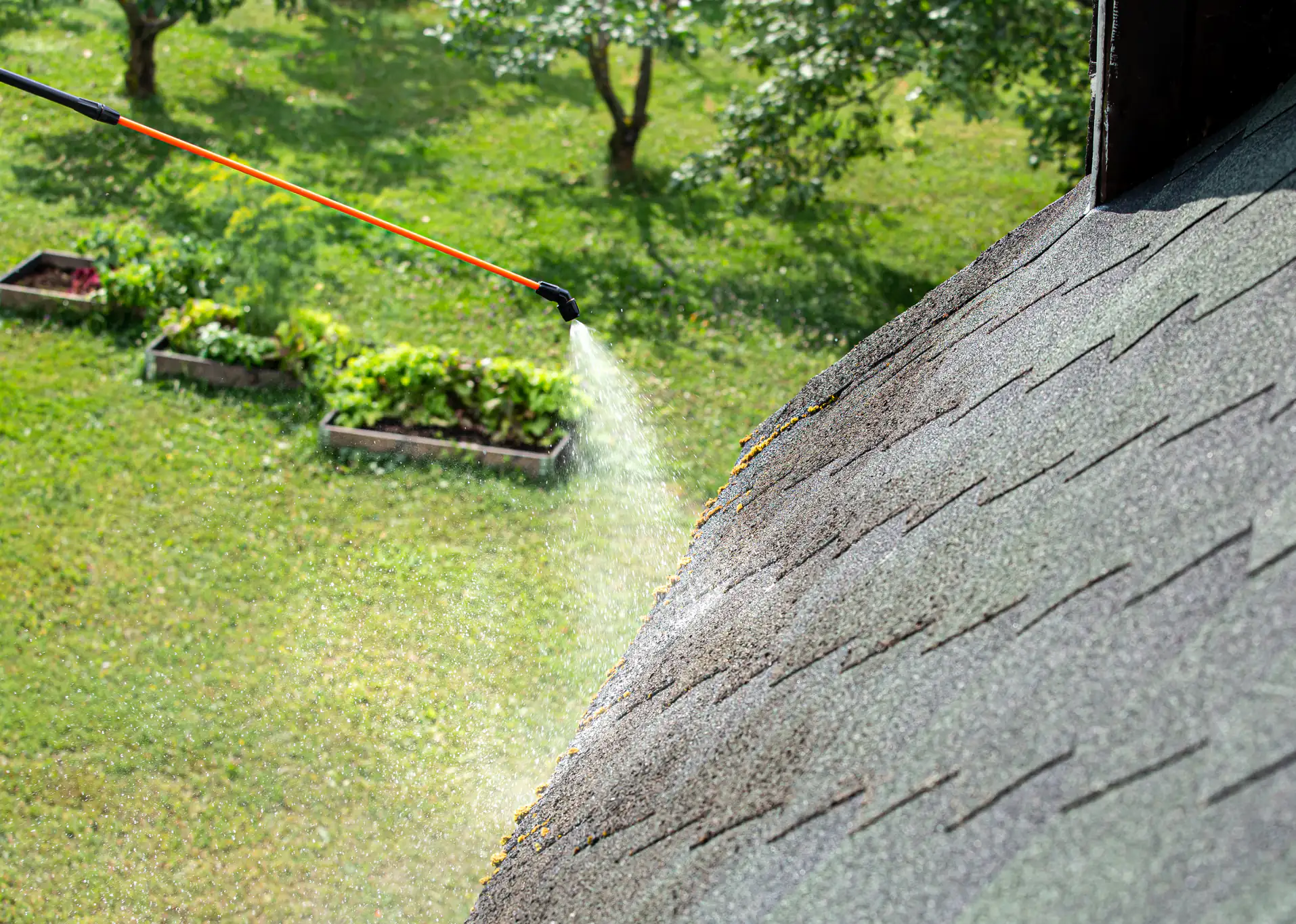
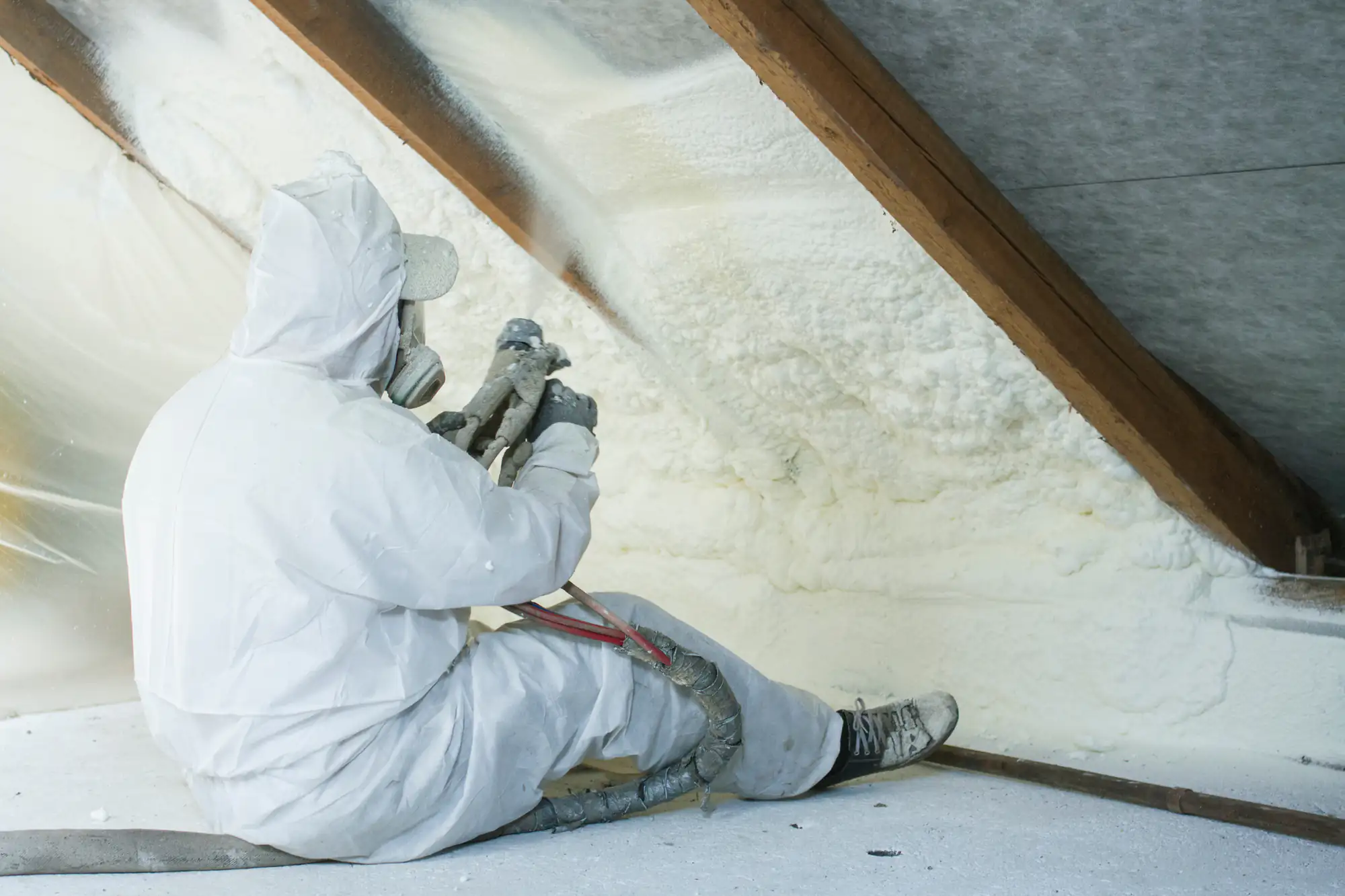
Spray polyurethane foam goes on as a liquid and cures into a single, seamless membrane. No seams. No joints. No entry points. For a community where monsoon storms hit harder than people expect, that’s not a minor upgrade — it’s a structural one. And because SPF roofing delivers R-6 to R-7 of insulation per inch — the highest of any roofing material — your HVAC system isn’t working against a 160°F roof surface anymore. For a home around 1,800 square feet, that can translate to roughly $960 in annual energy savings, with a payback period of under four years.
Your home has likely appreciated significantly since you bought it. The TSMC semiconductor campus nearby has permanently changed what North Phoenix real estate looks like, and Parkside values have followed. A foam roof with a 25-year workmanship warranty is an asset in that market — not just a maintenance item.
We’ve been operating in Maricopa County since 1999 — the same year Del Webb broke ground on Anthem and the first Parkside homes went up. That’s not a coincidence. It means we’ve been doing roofing in Parkside and this region through every monsoon season your neighborhood has seen, through the construction boom, and through the years when a lot of other contractors came and went.
We hold the Arizona ROC C-42 license, which specifically covers urethane foam installation — not every roofing contractor in Arizona is legally authorized to install it. We’re also Certified Master Roofers with manufacturer certifications from GAF and Firestone, and we back every installation with a 25-year workmanship warranty that covers the quality of the work itself, not just the materials. We already serve the Anthem community and understand what the APCA’s Design Review Committee requires before exterior work can begin — so you’re not managing that process alone.
It starts with an inspection — and not just a visual one. We use thermal imaging technology to identify hidden moisture that a standard walkthrough would miss. In Parkside’s aging Del Webb housing stock, moisture infiltration often happens slowly and invisibly over years. Finding it before we apply foam is what separates a roof that performs for 30 years from one that fails in five.
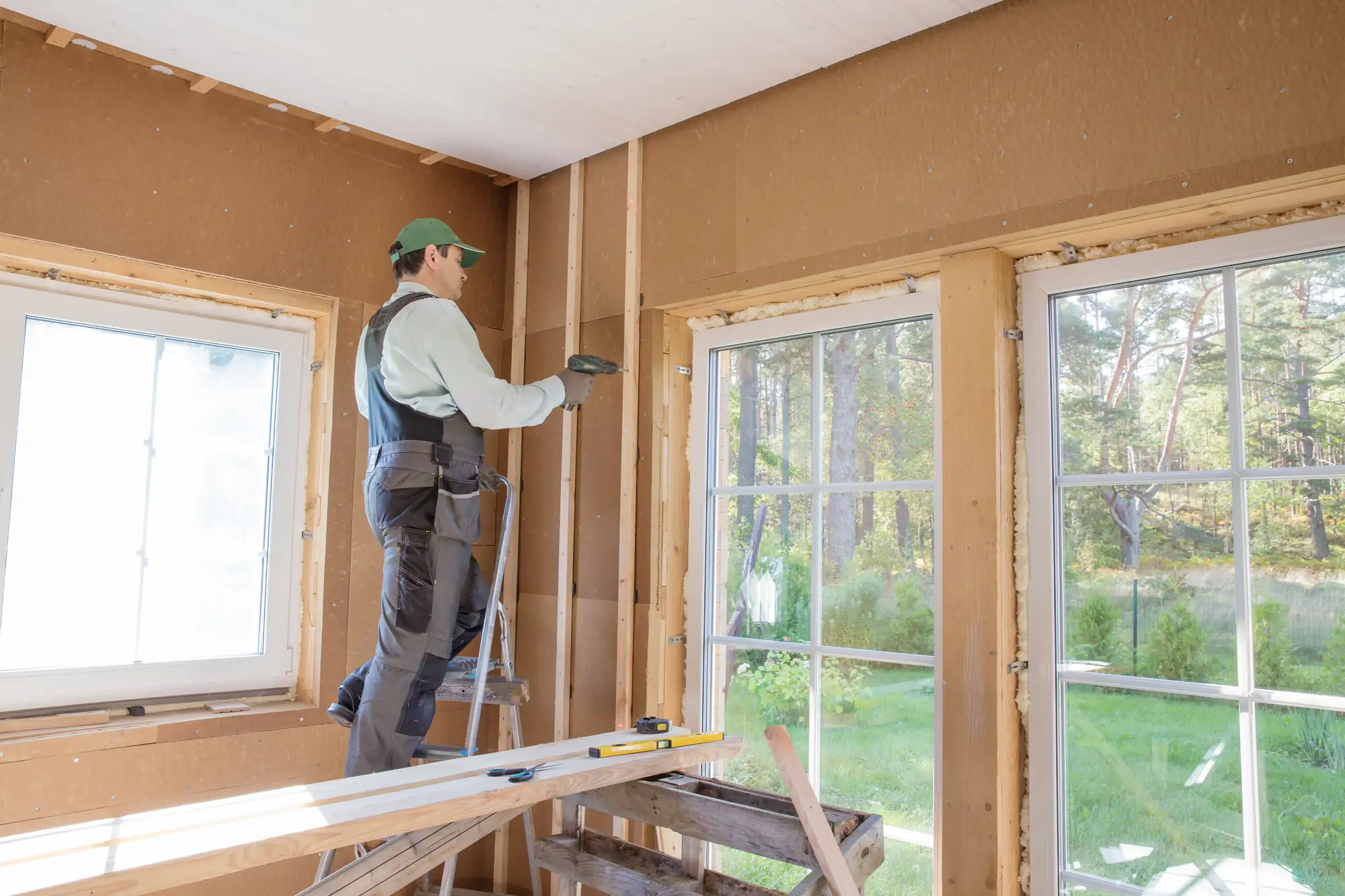
Once the inspection is complete and we know what we’re working with, we handle the APCA Design Review Committee submission on your behalf. Because Parkside straddles I-17, your home may fall under City of Phoenix jurisdiction on the west side or Maricopa County on the east — and each has its own permitting process. We know both. Permit pulled, HOA approved, we prep the existing surface, apply the foam in the correct thickness for your roof’s profile, and finish with a high-reflectivity elastomeric coating that protects the foam from Arizona’s UV exposure and extends the system’s life.
The best installation windows in Parkside are spring and post-monsoon — temperatures are moderate, humidity is low, and the foam cures properly. If you’ve just come through a rough monsoon season and noticed something concerning, fall is exactly when you want to move. We’ll walk you through the timeline, and we don’t rush the process to hit a number.
Ready to get started?
Whether you’re in the main Parkside community, out in Arroyo Grande on a larger lot past the New River wash, or in one of the newer Circle Mountain homes built after 2017, the roofing evaluation starts the same way — with what your specific roof actually needs, not a one-size pitch. Homes in Parkside range from compact patio homes in Paseo to two-story models pushing 4,300 square feet, and the scope of a foam roofing project scales with the structure.
For residential foam roof installation in Parkside, we assess whether your existing surface is a candidate for direct foam application — which eliminates tear-off costs in most cases — or whether substrate repairs are needed first. We specify the correct foam thickness, the appropriate elastomeric topcoat, and the maintenance schedule that keeps your system performing. In Arizona’s UV environment, recoating every 5 to 7 years is what keeps a foam roof alive for 30 to 50 years. We’ll tell you that upfront, not after you’ve signed.
For commercial foam roofing in Parkside and the surrounding Anthem area, the energy math gets even more compelling. A 20,000-square-foot commercial roof can save $8,400 or more annually, with full cost recovery typically within three to four years. We handle permitting under both Maricopa County and City of Phoenix depending on where your property sits, and we work around your business operations so the installation doesn’t become its own disruption.
Yes — and this is one of the most common things homeowners in Parkside don’t realize until a contractor is already scheduled. The Anthem Parkside Community Association requires Design Review Committee approval before any exterior modification begins, and roofing is explicitly included. If a contractor starts work without that approval, you’re the one facing the compliance issue and potential fines — not them.
The approval process involves submitting material specifications and project details to the APCA before work begins. We’ve done this for Parkside homeowners and know what the committee expects in terms of materials and documentation. When you work with us, we walk you through the submission and make sure everything is in order before anyone sets foot on your roof. It adds a step, but it’s not complicated when you’ve done it before.
A properly installed and maintained SPF roof in Arizona can last 30 to 50 years — sometimes longer. The key phrase there is “properly maintained,” which in Arizona’s UV environment means recoating the elastomeric topcoat every 5 to 7 years. The foam itself doesn’t degrade the way other roofing materials do, but the protective coating that shields it from the sun does wear down over time. Staying on that recoating schedule is what keeps the system intact.
For Parkside homeowners, this is worth thinking about in the context of your home’s age. If your home was built in the early 2000s and had a foam roof installed at the time, the question isn’t whether the foam is still there — it’s whether the coating has been maintained. We can assess that during inspection and tell you whether a recoat is sufficient or whether the surface needs more attention before a new coating goes on.
In most cases, we can apply foam directly over a structurally sound existing roof — and that’s one of the bigger cost advantages of SPF roofing. Tear-off adds labor, disposal costs, and time. If your existing surface is in reasonable structural condition without significant moisture damage underneath, direct application is typically the right call.
That said, “in most cases” is doing real work in that sentence. If our thermal imaging inspection finds moisture trapped beneath the existing surface — which is more common than people expect in Parkside’s aging housing stock — that has to be addressed before foam goes on top of it. Trapping moisture under a sealed foam system accelerates damage and voids the integrity of the installation. We won’t skip that step to save time. The inspection tells us what we’re actually working with, and we go from there.
Both are legitimate flat roofing options, but they perform differently in ways that matter in Parkside specifically. TPO is a single-ply membrane that’s seamed together across the roof surface — those seams are its vulnerability. In a community that gets more monsoon rainfall than most of the Valley, seams are where problems start. SPF roofing is seamless by design, which eliminates that failure point entirely.
On the insulation side, there’s no comparison. TPO provides minimal insulation value on its own. Spray foam delivers R-6 to R-7 per inch, which directly reduces the heat load on your HVAC system during Parkside’s 100°F-plus summers. TPO reflects heat reasonably well, but it doesn’t insulate — and in a desert climate, insulation is where the real energy savings come from. If you’re replacing a roof and you plan to stay in your home for another 10 to 20 years, the long-term energy savings from foam typically make it the stronger financial decision.
For a typical residential home in Parkside, foam roofing installation generally runs between $7,000 and $12,000 depending on the size of the roof, the condition of the existing surface, and whether any substrate repairs are needed before foam is applied. Homes in Parkside range from around 1,100 square feet to over 4,300 square feet, so the range reflects that variation in scope.
What’s worth factoring into that number is what you get back. At roughly $960 in annual energy savings for an 1,800-square-foot home, the system pays for itself in under four years in most cases — and then continues saving money for decades. Add in the avoided cost of future roof replacements and the 25-year workmanship warranty that backs the installation, and the upfront number looks different than it does at first glance. We also offer financing options if you’d rather capture the energy savings immediately without drawing down savings to do it.
Foam roofing handles monsoon conditions better than most roofing systems — and that’s especially relevant in Parkside, which sits at the foothills of Daisy Mountain and receives around 12 inches of annual rainfall, noticeably more than the Phoenix basin. The seamless nature of a spray foam roof means there are no seams, no joints, and no fasteners for water to find during a storm. Water sheets off the coated surface rather than pooling at vulnerable connection points.
The one thing to stay on top of is the elastomeric topcoat. If the coating has degraded and the foam surface is exposed, water can work into the foam over time — which is why the 5-to-7-year recoating schedule exists. A well-maintained foam roof going into monsoon season is about as watertight as a flat roof gets. If you’re not sure when your coating was last applied or whether it’s still in good shape, a pre-monsoon inspection in the spring is the right time to find out — not mid-July when a storm is already on the radar.
Other Services we provide in Parkside