
Hear from Our Customers
You’re watching your cooling bills climb every summer. Your attic feels like an oven by noon. And that roof you were told would last 25 years? It’s curling and cracking at year 12.
Arizona heat doesn’t just damage shingles—it cuts their lifespan in half. Standard asphalt shingles rated for 30 years in moderate climates barely make it to 15 here. The daily expansion and contraction from temperature swings loosen nails, warp edges, and break down the seal strips that keep water out during monsoon season.
The right shingle roofing in Sun Lakes, AZ changes that. Polymer-modified asphalt shingles stay flexible above 200°F instead of cracking. Cool reflective surfaces drop your attic temperature by 20-30 degrees, which means your AC isn’t fighting a losing battle all summer. And proper installation—the kind that accounts for thermal movement and uses the correct underlayment—adds years to your roof’s life while cutting your energy costs by 10-15%.
You’re not just replacing shingles. You’re installing a system designed to handle what Sun Lakes throws at it.
We’ve worked on Sun Lakes roofs for over 25 years. We’re not new to this market, and we’re not learning on your dime. We’re a Certified Master Roofer with a 25-year workmanship warranty, which means we stand behind every nail we drive.
Sun Lakes homeowners deal with specific challenges—extreme UV exposure, thermal cycling that happens hundreds of times per season, and sudden monsoon winds that test every seal. We’ve seen what fails here and what lasts. That’s why we only install shingle roofing systems rated for Arizona’s climate, and why our installation process accounts for the movement and stress your roof experiences year-round.
You’re working with a local team that knows your neighborhood, understands your insurance company’s requirements, and shows up when we say we will. No runaround, no surprises.
We start with a roof inspection at your property in Sun Lakes, AZ. We’re looking for granule loss, thermal damage, nail pops, and signs your current shingles are failing faster than they should. You get a detailed assessment—not a sales pitch.
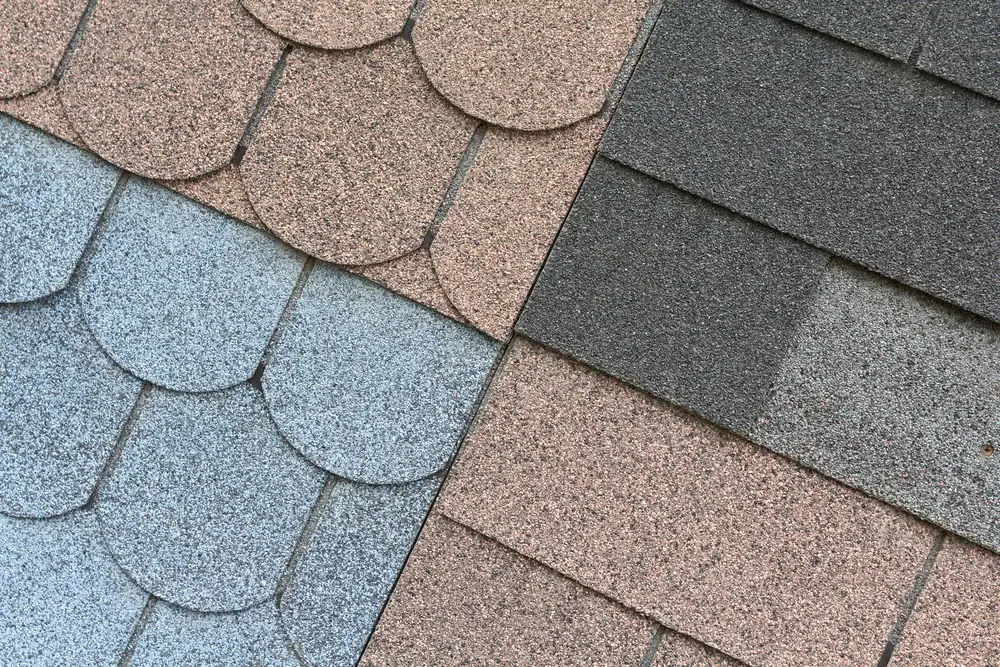
If replacement makes sense, we walk you through material options. That means explaining the difference between standard three-tab shingles and architectural shingles, why polymer-modified asphalt matters in Arizona, and what cool roof technology actually does for your energy bills. We’re matching the system to your home and your budget.
Installation typically takes one to two days for most residential shingle roofing projects. We remove old materials, inspect and repair the roof deck if needed, install high-temperature underlayment, and then lay your new shingles using proper nailing patterns for wind resistance. Every step follows manufacturer specs so your warranty stays intact.
We handle permits, coordinate with your insurance if it’s a claim, and clean up completely when we’re done. You’re not dealing with debris in your yard or wondering if the job was finished right.
Ready to get started?
Every shingle roof replacement in Sun Lakes, AZ includes a full tear-off of existing materials so we can inspect what’s underneath. We’re checking for deck damage, moisture intrusion, and structural issues that need addressing before new shingles go on. Skipping this step is how you end up with a new roof that fails early.
You’re getting high-temperature synthetic underlayment rated for Arizona heat, not basic felt paper that degrades in our climate. We use GAF-certified asphalt shingles with Class A fire ratings and wind resistance up to 130 mph—critical during monsoon season when gusts hit 60+ mph without warning. And we install them with the correct nail placement and seal activation so they actually perform as rated.
Sun Lakes homes benefit from cool roof shingles that reflect more sunlight and reduce heat absorption. That’s not marketing—it’s measurable. Your attic stays cooler, your insulation works better, and your AC doesn’t cycle as often. Over the life of your roof, that adds up to thousands in energy savings.
We also coordinate directly with insurance companies for storm damage claims. We provide the documentation adjusters need, explain the scope of work, and can bill insurance directly if that’s easier for you. You’re not navigating that process alone.
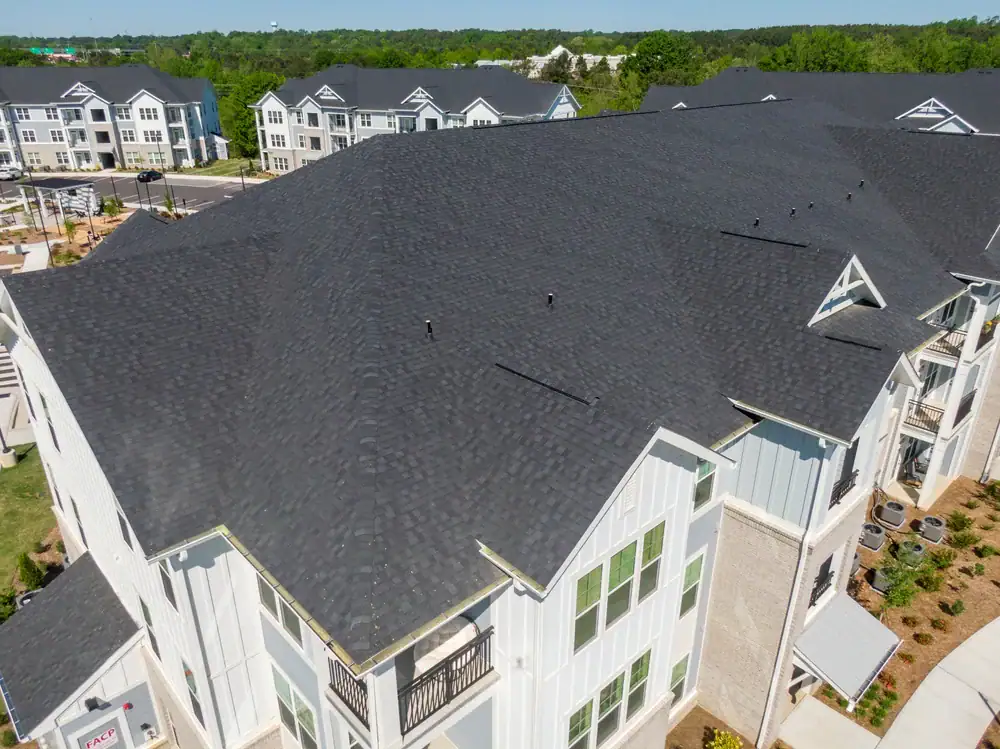
Expect 12-18 years from standard asphalt shingles in Sun Lakes, even if they’re rated for 25-30 years in other climates. Arizona’s extreme heat accelerates aging. Daily temperature swings cause expansion and contraction that fatigue the material faster than normal wear.
Premium polymer-modified shingles last longer—typically 18-25 years—because they’re engineered to stay flexible in high heat instead of becoming brittle. Cool roof shingles add another 5-10 years by reducing thermal stress. But no shingle lasts as long here as it would in a moderate climate, and anyone telling you otherwise isn’t being straight with you.
The key is choosing materials designed for desert conditions and having them installed correctly. Proper underlayment, correct nail placement, and adequate ventilation all affect how long your roof holds up. Cut corners on installation, and even the best shingles fail early.
Architectural shingles are thicker, heavier, and more durable than three-tab shingles. They handle Arizona heat better because they have more asphalt and better granule adhesion, which means they lose less protective coating over time. They also offer better wind resistance—important during monsoon season.
Three-tab shingles are cheaper upfront but don’t last as long in Sun Lakes’ climate. They’re thinner, so they heat up faster and cool down faster, which means more thermal cycling and faster degradation. You’ll replace them sooner, which often makes them more expensive in the long run.
For most Sun Lakes homeowners, architectural shingles make more sense. They look better, last longer, and handle our weather better. If budget is tight, three-tab can work, but understand you’re trading lower upfront cost for a shorter lifespan and potentially higher energy bills.
Yes, but only if you install cool roof shingles with reflective granules. Standard dark shingles absorb heat and can reach surface temperatures of 160-180°F in direct Arizona sun. That heat radiates into your attic, raising temperatures to 140-160°F, which makes your insulation less effective and forces your AC to work harder.
Cool roof asphalt shingles reflect more sunlight and stay 20-30 degrees cooler. Your attic temperature drops, your insulation performs better, and your cooling system doesn’t cycle as often. Most Sun Lakes homeowners see a 10-15% reduction in summer cooling costs after switching to reflective shingles.
The savings add up over time, but don’t expect a massive drop in your first bill. The real benefit is long-term—lower energy costs year after year, plus less wear on your HVAC system because it’s not running constantly to fight attic heat. That means fewer repairs and a longer system lifespan.
If damage is localized—a few missing shingles after a storm, one section with wind damage—repair usually makes sense. But if you’re seeing widespread granule loss, curling across multiple areas, or your roof is over 15 years old, replacement is likely the better move.
Granule loss is the big indicator in Sun Lakes. Those protective granules reflect UV and keep the asphalt layer from degrading. Once they’re gone, the shingles age fast. If you’re finding granules in your gutters or seeing bare spots on your shingles, the roof is failing. Patching won’t fix that.
Curling and cracking are signs of thermal damage. Arizona heat causes shingles to shrink and warp over time. Once that starts, it spreads. You can replace a few shingles, but if the whole roof is showing age, you’re just delaying the inevitable. A full inspection tells you where you actually stand—not where you hope you stand.
Start with licensing and insurance—non-negotiable in Arizona. Then look for contractors with specific experience in desert climates. Installing shingles in Phoenix isn’t the same as installing them in Seattle. The materials, techniques, and underlayment requirements are different.
Ask about warranties. A solid workmanship warranty (25 years is standard for quality contractors) shows we stand behind our installation. Manufacturer certifications matter too—GAF Master Elite or CertainTeed Select ShingleMaster status means we’ve met training and quality standards, and you get better warranty coverage.
Check how we handle the details. Do we explain why certain materials work better in Arizona? Do we inspect the roof deck and replace damaged sections, or just cover problems with new shingles? Do we coordinate with insurance companies if you’re filing a claim? The answers tell you whether you’re working with a contractor who knows what they’re doing or someone who’s just moving product.
Fall and spring are ideal for shingle roof installation in Sun Lakes, AZ. Temperatures are moderate, which makes installation easier and allows shingles to seal properly without extreme heat or cold affecting the process. You’re also avoiding summer’s peak temperatures, which can make roof work dangerous and less efficient.
That said, if your roof is failing, don’t wait for perfect weather. A roof that’s leaking or losing shingles needs attention now, not in three months when conditions are better. Monsoon season runs June through September, and you don’t want to deal with water damage because you waited for fall.
Spring replacement (March through May) gets you ahead of summer heat and monsoon storms. Fall replacement (October through November) gives your new roof time to settle before the next summer cycle. Winter works too—Arizona winters are mild enough for installation, and you might get better scheduling since it’s slower season for most contractors.
Other Services we provide in Sun Lakes