
Hear from Our Customers
Your AC bill drops. Not by a little—by 15-30% during peak summer months when your neighbors are sweating over $400 electric bills.
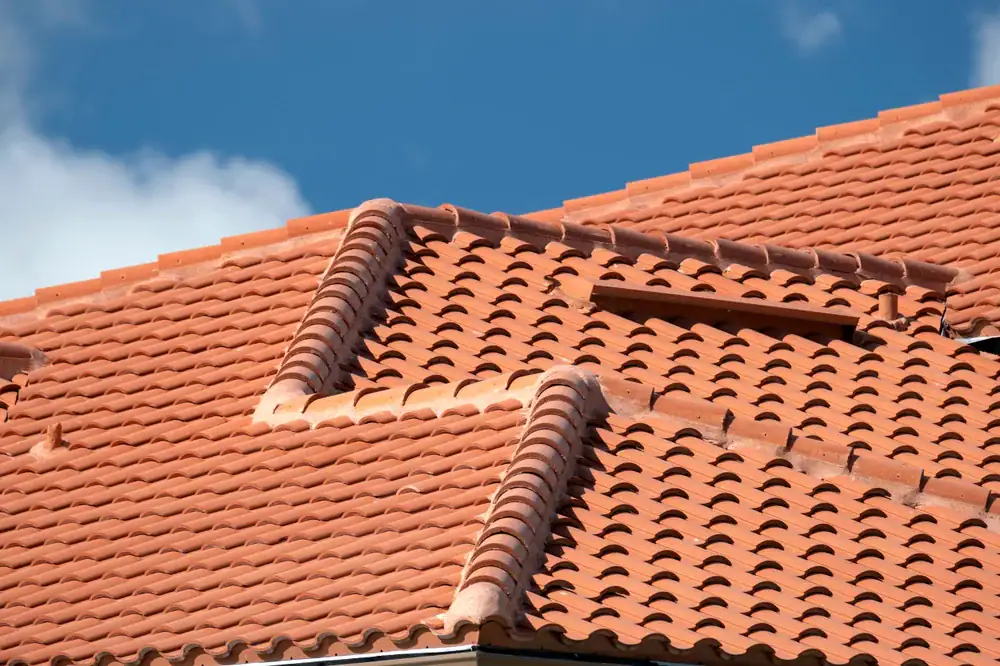
That happens because tile roofing in Komatke, AZ creates a natural air gap between the tiles and your roof deck. Heat doesn’t transfer straight through like it does with asphalt shingles. Your attic stays cooler, your AC runs less, and you’re not throwing money at the power company every July.
You also stop worrying about replacement costs every 15 years. Clay and concrete roof tiles last 40-50 years in Arizona’s climate—some clay tiles go over 100 years. That’s two or three asphalt roof replacements you’ll never pay for. And when monsoon season hits with winds pushing 150 mph and rain dumping 2-3 inches per hour, tile stays put. It’s heavy, interlocking, and built for the exact conditions Komatke deals with every summer.
We’ve been installing tile roofs across Maricopa County for over 25 years. We’re not new to Arizona’s climate, and we’re not learning on your roof.
Every tile roofing contractor in Komatke, AZ will tell you they know what they’re doing. What matters is whether they’re still around when your underlayment needs attention in 15 years or when a monsoon cracks a tile. We are. We back our work with a 25-year workmanship warranty because we’ve seen what holds up and what doesn’t when the desert tests a roof.
You’re working with Certified Master Roofers who live in this county, not a crew passing through after a storm. When you call, we typically respond within 24 hours, and we keep emergency materials in stock during monsoon season because we know how fast Arizona storms move.
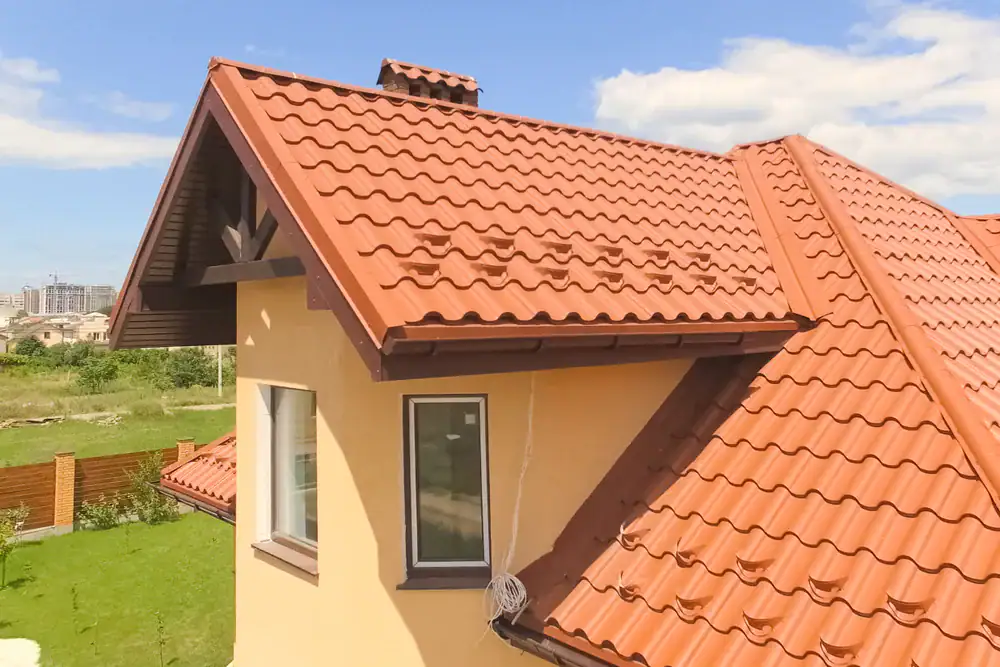
We start with an inspection of your existing roof structure. Tile is heavier than asphalt—concrete roof tiles weigh about 900 pounds per square, clay tiles slightly less. If your decking or framing can’t handle the load, we’ll tell you up front what needs reinforcing. No surprises halfway through the job.
Next comes underlayment. This is critical in Komatke, AZ, where thermal cycling—going from 110°F during the day to 70°F at night—expands and contracts your roof constantly. We use high-quality underlayment designed for Arizona’s temperature swings and ensure it’s sealed properly at valleys and penetrations where monsoon rains hit hardest.
Then we install the tiles. Clay, concrete, slate tiles, or solar roof tiles—whatever you’ve chosen gets fastened with the right batten systems and spacing to handle wind uplift and thermal expansion. We’re accounting for how clay expands 0.5% per 100°F, which matters when your roof hits 160°F in July. Every tile overlaps correctly, every valley is detailed for flash flooding runoff, and every ridge is sealed against wind-driven rain.
After installation, we walk the roof with you and explain what to watch for. Tile roofs need minimal maintenance, but you should know what normal wear looks like versus what needs a roof tile repair call.
Ready to get started?
You’re getting more than tiles on a roof. You’re getting a complete system designed for Komatke’s specific climate challenges.
That includes Class A fire-rated materials—the highest rating available. In Arizona’s dry climate where windblown embers from wildfires travel miles, that rating matters. It also includes underlayment rated for high-temperature exposure and UV resistance, because Arizona sun breaks down materials faster than almost anywhere else in the country.
Your tile roofing system comes with proper flashing at every transition, valley, and penetration. Monsoons don’t give you a second chance—if water finds a way in during a storm dumping 3 inches in an hour, you’re dealing with interior damage that spreads fast. We seal it right the first time.
You also get options. Concrete roof tiles offer strength and easier maintenance. Clay tiles give you that authentic Southwestern look that’s been part of Arizona architecture since Spanish missionaries arrived. Solar roof tiles integrate energy generation directly into your roof if you’re looking at offsetting electricity costs beyond just the cooling savings tile naturally provides. And if you prefer the look of slate tiles, we can discuss those too.
Every installation includes our 25-year workmanship warranty. The tiles themselves often carry 50-year manufacturer warranties. You’re covered.
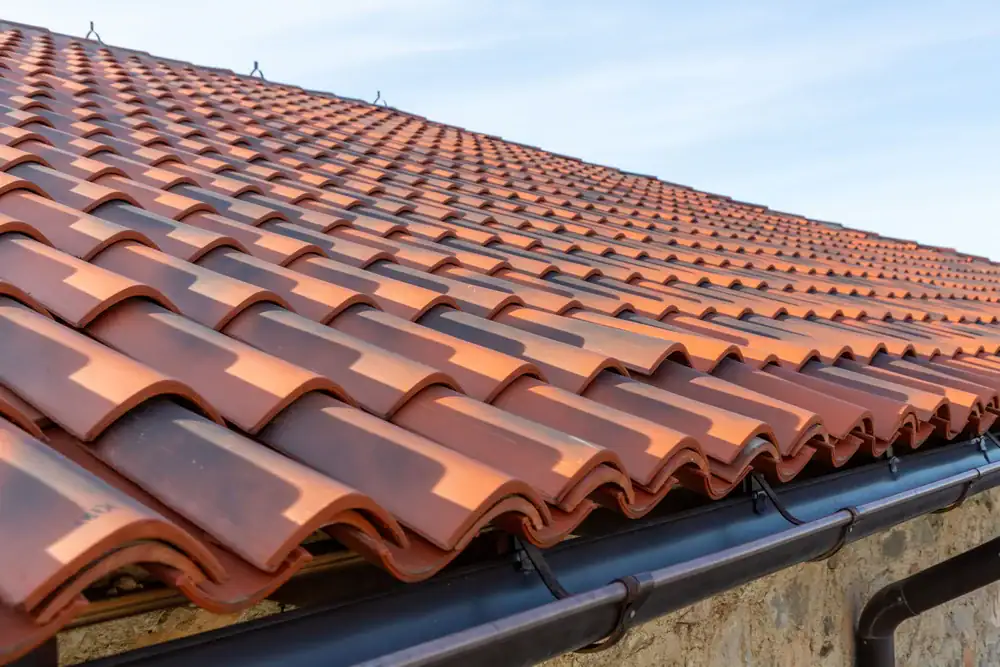
Tile roof installation in Komatke, AZ typically runs $15,000-$25,000 for an average home, compared to $8,000-$15,000 for asphalt shingles. That’s roughly double the upfront cost.
But here’s what changes the math: asphalt shingles last 15-20 years in Arizona’s heat and UV exposure. Tile lasts 40-50 years minimum. Over 50 years, you’re paying for three asphalt roofs ($24,000-$45,000) versus one tile roof ($15,000-$25,000). You’re also saving 15-30% on cooling costs every single summer for decades.
Tile roofing also returns 85-95% of its cost at resale—among the highest ROI of any home improvement. Buyers in Arizona know what tile means: lower energy bills, less maintenance, and a roof that won’t need replacement for decades. If you plan to stay in your home long-term or want to maximize resale value, tile makes financial sense even with the higher upfront cost.
Most homes in Komatke built in the last 30 years can handle tile weight, but it’s not automatic. Concrete roof tiles weigh about 900 pounds per square (100 square feet), and clay tiles weigh 600-800 pounds per square. Asphalt shingles weigh about 250 pounds per square.
We inspect your roof framing and decking before giving you a quote. If your structure needs reinforcement—adding supports or upgrading decking—we’ll tell you exactly what’s required and what it costs. Some older homes built for lighter roofing materials need upgrades. That’s not a dealbreaker; it’s just part of the project scope.
The good news: once your structure is rated for tile, you’re set for life. Future tile roof repair or even complete tile replacement decades from now won’t require structural work again. And tile’s weight is actually an advantage in Komatke’s wind conditions—it resists uplift during monsoons better than lighter materials that can peel off in high winds.
Clay tiles are traditional—they’re what you see on historic Arizona buildings and Spanish-style homes. They’re fired in kilns, naturally resistant to fading, and can last over 100 years. They’re also lighter than concrete and have slightly better insulation properties. Clay costs more upfront, typically 20-30% more than concrete.
Concrete roof tiles are engineered for strength and consistency. They’re heavier, which helps with wind resistance during Komatke monsoons. They’re also easier to color-match if you need roof tile repair years later, and they’re more impact-resistant if hail hits. Concrete tiles are the more economical choice while still giving you 40-50 years of life.
Both handle Arizona’s heat, UV exposure, and thermal cycling well. Both carry Class A fire ratings. The choice usually comes down to aesthetics—do you want the authentic look of clay or the practical performance of concrete—and budget. Either way, you’re getting a roof that outlasts asphalt by decades and cuts your cooling costs every summer.
Tile roofs need very little maintenance compared to other roofing types. The tiles themselves can last 40-50+ years without significant issues. What you’re maintaining is the underlayment and occasionally replacing individual cracked tiles.
In Arizona’s climate, underlayment typically lasts 15-20 years before it needs replacement. That’s the membrane under your tiles that provides the actual waterproof barrier. When it’s time, we remove the tiles, replace the underlayment, and reinstall the same tiles—they’re reusable. That’s a significant cost savings compared to a complete roof replacement.
Individual tile roof repair happens occasionally. A tile might crack from impact or thermal stress, or you might need flashing work around a new skylight or AC unit. These are minor repairs, usually a few hundred dollars, not thousands. The key is catching small issues during routine inspections before they become water intrusion problems. We recommend inspecting your tile roof every 3-5 years and after major monsoon storms to spot any tiles that shifted or cracked.
Yes, and the difference is measurable. Tile roofing in Komatke, AZ can lower your attic temperature by up to 30°F compared to dark asphalt shingles. That happens because of how tile is installed and what it’s made of.
There’s an air gap between the tiles and your roof deck. Hot air rises through that gap instead of conducting straight into your attic. The tiles themselves—whether clay, concrete, or slate tiles—have natural thermal mass that absorbs heat slowly and releases it at night, rather than transferring it immediately into your home like asphalt does.
Heat-reflective tile colors can lower your roof surface temperature by 50-60°F compared to dark shingles. When your roof surface is 160°F instead of 180°F, and your attic is 120°F instead of 150°F, your AC isn’t fighting as hard to cool your living space. That translates to 15-30% lower cooling costs during peak summer months. In Komatke, where cooling can be 50% or more of your energy bill from June through September, that’s real money back in your pocket every year.
Solar roof tiles make sense if you’re already replacing your roof and want to generate electricity without traditional solar panels. They integrate directly into your tile roofing system, so you get the durability and cooling benefits of tile plus energy generation in one installation.
The upfront cost is higher—typically $30,000-$50,000 for a complete solar tile roof depending on your home size and energy needs. But you’re combining two projects: roof replacement and solar installation. You’re also getting federal tax credits (currently 30% of installation costs) and long-term electricity savings that can offset your investment over 15-20 years.
Solar roof tiles work especially well in Komatke because Arizona gets 300+ days of sunshine annually. You’re generating power almost every day, and you’re doing it with a roof that lasts 40+ years. Traditional solar panels typically need replacement or significant maintenance around 25-30 years, but solar tiles are integrated into a tile system built to last decades longer. If you’re planning to stay in your home long-term and want energy independence along with a durable roof, solar tiles are worth the conversation.
Other Services we provide in Komatke