
Hear from Our Customers
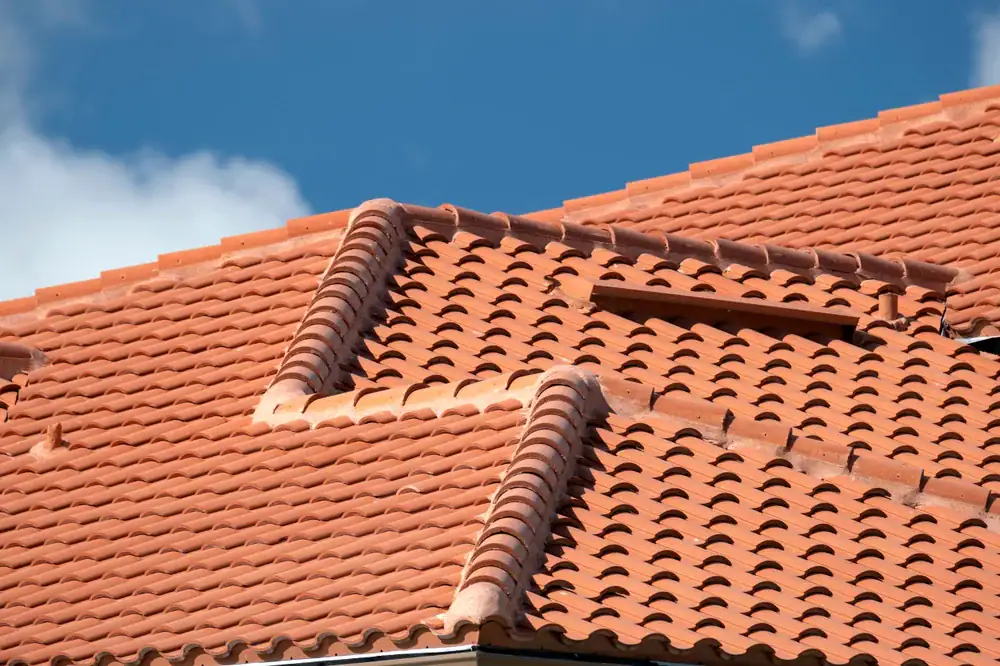
You’re not just getting a new roof. You’re cutting your cooling costs, protecting your home from monsoon damage, and adding value that lasts 50 to 100 years.
Tile roofing in Cave Creek, AZ works because it’s designed for this exact climate. The thermal mass in concrete roof tiles and clay options absorbs heat slowly during the day and releases it at night, keeping your attic up to 30 degrees cooler than traditional shingles. That means your AC isn’t working overtime every summer afternoon.
When monsoon season hits with 40+ mph winds and torrential rain, you’re not scrambling for emergency roof tile repair. A properly installed tile roof stays put. It doesn’t curl, warp, or blow off when the storms roll through. And if a tile does crack from hail or debris, replacing individual tiles is straightforward—you’re not looking at a full roof replacement.
We’ve been installing and repairing tile roofs across Maricopa County for over 25 years. We’re Certified Master Roofers, and every installation comes with a 25-year workmanship warranty.
We know Cave Creek. We know how the monsoons hit differently here than in Phoenix. We know which tile profiles hold up best on the slopes near Black Mountain, and we know what happens when a roof isn’t sealed right before summer hits.
You’re working with a local contractor who’s seen every roofing problem this climate can throw at a home. We’re not new to this, and we’re not going anywhere.
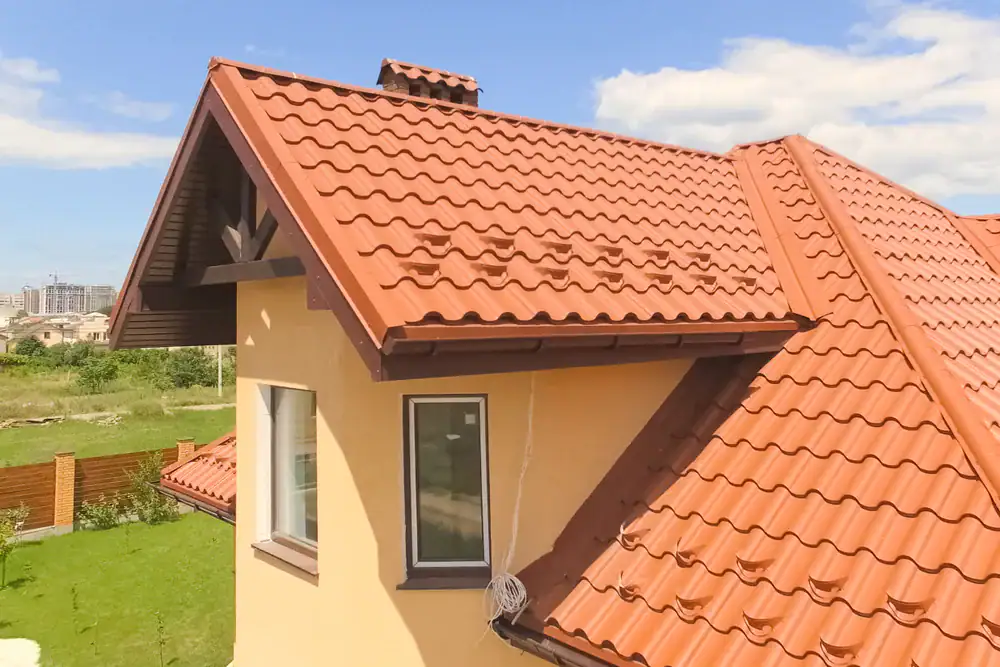
First, we come out and inspect your roof. Not a quick glance from the driveway—we’re checking the underlayment, flashing, valleys, and every tile for cracks, slippage, or wear. You get a detailed assessment of what needs attention and what doesn’t.
If you’re getting a full tile roof installation in Cave Creek, AZ, we start by removing the old roofing material and inspecting the decking. Any damaged wood gets replaced before we lay down a high-grade underlayment designed for Arizona heat. Then we install each tile with proper spacing and fastening to handle wind uplift and thermal expansion.
For roof tile repair, we’re replacing cracked or broken tiles, resealing areas where water could penetrate, and making sure your flashing is intact. If your roof is older, we’ll also check for underlayment degradation—that’s usually where leaks start, not the tiles themselves. Once the work is done, we walk you through what we did and what to keep an eye on going forward.
Ready to get started?
You’re choosing between clay and concrete roof tiles, and both perform well in Cave Creek, AZ. Clay tiles are lighter, naturally fire-resistant, and have that classic Southwestern look. Concrete tiles are more affordable, just as durable, and come in more color options if you want something beyond terracotta.
We also handle slate tiles if you’re going for a different aesthetic, though they’re heavier and require additional structural support. For homeowners interested in energy efficiency, we can discuss solar roof tiles—they’re not as common yet, but they integrate solar collection right into the roofing material.
Every installation includes a 25-year workmanship warranty. The tiles themselves typically come with a 50-year manufacturer warranty, and many last well beyond that. You’re also getting proper ventilation, updated flashing around chimneys and vents, and underlayment rated for high heat. If you’re in an area prone to wind damage, we use additional fasteners and adhesive to meet or exceed local building codes.
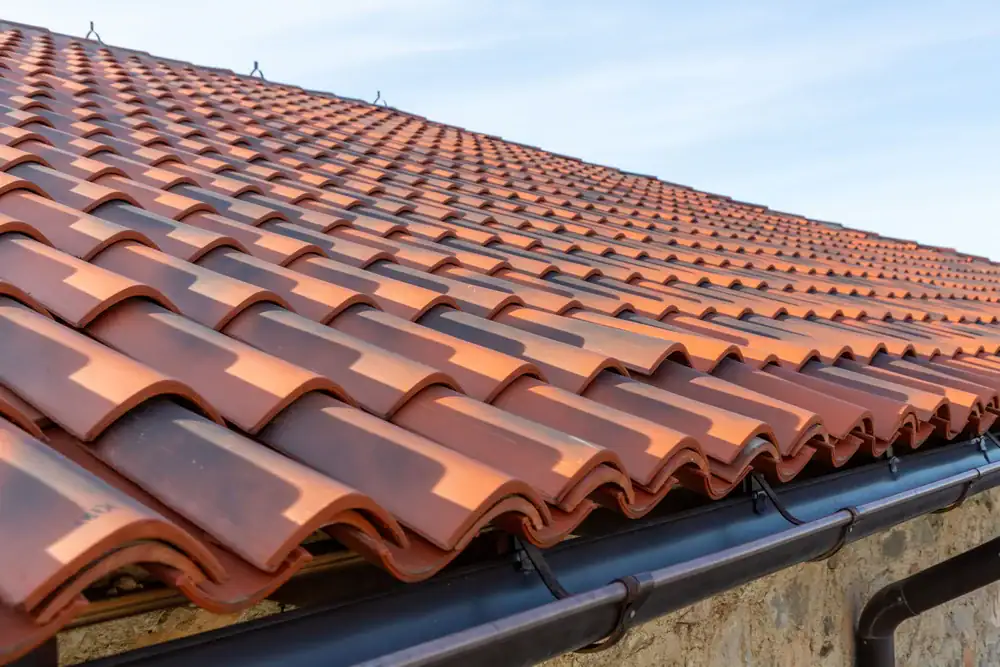
You’re looking at 50 to 100 years if the roof is installed correctly and maintained. That’s not marketing talk—tile roofs regularly outlast the homes they’re on.
The longevity comes down to the material. Clay and concrete don’t break down under UV exposure the way asphalt shingles do. They don’t absorb water, so freeze-thaw cycles (rare here, but they happen) won’t crack them. The biggest threat is impact damage from falling branches or severe hail, and even then, you’re replacing individual tiles, not the whole roof.
The underlayment typically needs attention before the tiles do. Most underlayment is rated for 30 to 40 years in Arizona heat. If your roof is approaching that age and you’re seeing leaks, it’s usually the underlayment failing, not the tiles. We can replace the underlayment and reinstall your existing tiles if they’re still in good shape, which saves you a lot compared to a full replacement.
Minor repairs—replacing a few cracked tiles, resealing flashing—usually run $500 to $1,500 depending on roof access and how many tiles need replacing. Larger repairs involving underlayment or multiple sections of damaged tiles can range from $2,000 to $5,000.
If you’re dealing with leak damage after a monsoon, the cost depends on how much underlayment is compromised. Sometimes it’s localized to one area, and we can patch it. Other times, water has been getting in for a while, and you’re looking at more extensive work including decking replacement.
The good news: tile roofing repair in Cave Creek, AZ is almost always cheaper than full replacement, and because tiles are modular, we can usually match your existing color and profile. Get the repair done before monsoon season if possible. Once the heavy rains start, a small leak becomes a big problem fast, and insurance claims for water damage in Arizona average around $12,000.
Yes, and the difference is noticeable. Tile roofs can reduce attic temperatures by up to 30 degrees compared to asphalt shingles, which directly impacts how hard your AC works during summer.
The reason is thermal mass. Concrete and clay absorb heat slowly throughout the day instead of conducting it straight into your attic. By the time the tile releases that heat, it’s evening and your home is cooling down naturally. Asphalt shingles, on the other hand, hit 160+ degrees in direct sun and transfer that heat immediately.
Homeowners in Cave Creek typically see a 10% to 25% reduction in cooling costs after switching to tile roofing. The exact savings depend on your home’s insulation, attic ventilation, and how much direct sun your roof gets. But if you’re running your AC from May through September, that reduction adds up. Over the 50+ year lifespan of the roof, you’re talking about thousands of dollars in energy savings.
They’re built for it. Tile roofs perform better in high winds and heavy rain than most other roofing materials, as long as they’re installed correctly.
The key is proper fastening and underlayment. Each tile needs to be secured to handle wind uplift—monsoon gusts regularly exceed 40 mph in Cave Creek, and poorly fastened tiles will shift or blow off. We use a combination of mechanical fasteners and adhesive in high-wind areas, and we make sure the underlayment is sealed at every seam so water can’t penetrate even if a tile cracks.
Tile roofs also shed water quickly because of their profile. Water doesn’t pool or sit on the surface, which reduces the chance of leaks. The biggest monsoon-related issue we see is impact damage from debris—tree branches, rocks kicked up by wind—but that’s usually isolated to a few tiles that are easy to replace. If you haven’t had your roof inspected before monsoon season, that’s the time to do it. Catching a cracked tile or loose flashing before the storms hit saves you from emergency repairs when it’s pouring.
Both work well here. The decision usually comes down to budget, weight, and aesthetics.
Clay tiles are lighter, naturally fire-resistant, and have that traditional Southwestern look with rich, earthy tones. They’re more expensive upfront—typically 20% to 40% more than concrete—but they don’t fade as much over time. If you’re going for authentic Mission or Spanish-style architecture, clay is the move.
Concrete roof tiles are heavier and require a bit more structural support, but they’re more affordable and come in a wider range of colors and profiles. They perform just as well in Arizona’s heat and last just as long. The color can fade slightly after a few decades, but most homeowners don’t mind, and you can reseal them if you want to refresh the look.
If your roof structure can handle the weight and you like the aesthetic, clay is a great long-term investment. If you want durability and energy efficiency at a lower cost, concrete delivers. We can assess your roof’s load capacity during the inspection and help you decide what makes sense for your home and budget.
Not often. You’re looking at an inspection once a year—ideally before monsoon season—and occasional resealing or tile replacement as needed.
During the inspection, we’re checking for cracked or slipped tiles, damaged flashing, and underlayment issues. Most tile roofs go years without needing any work beyond replacing a tile here and there. The underlayment is what you want to stay ahead of, because once it starts failing, leaks follow quickly.
If your roof is over 20 years old, consider having the underlayment inspected more closely. In Arizona heat, even high-quality underlayment degrades faster than in cooler climates. Catching it early means you can replace it and reinstall your existing tiles, which is far cheaper than waiting until water damage forces a bigger repair. Beyond that, keep your gutters clear, trim back any overhanging branches, and you’re good. Tile roofs are low-maintenance by design.
Other Services we provide in Cave Creek