

Hear from Our Customers
Your AC stops working overtime because your roof reflects heat instead of absorbing it. Energy bills drop. You stop worrying every time monsoon season rolls around in June.
When your roof is installed correctly with materials tested for Arizona conditions, you’re not calling for emergency repairs after every storm. You’re not watching your neighbors get new roofs while wondering when yours will fail. Water stains on your ceiling? Not happening. Wondering if that crack will turn into a leak? Already handled.
You get predictable maintenance instead of surprise expenses. A 25-year workmanship warranty that actually means something because it’s backed by Certified Master Roofer credentials. You get a roof that does its job so you can stop thinking about it.
We’ve been handling residential roofing in Maricopa County since 1999. That’s 25 years of watching how roofs perform in Arlington’s specific conditions—what holds up during monsoon season, what fails in the heat, and what actually delivers value.
We’re Certified Master Roofers, which means we’ve proven our expertise beyond basic licensing. Our 25-year workmanship warranty isn’t just paperwork—it’s confidence that we’re installing your roof correctly the first time.
Arlington homeowners deal with unique challenges. The monsoon season from June through September brings winds up to 75 mph and hail that can shred an improperly installed roof. The 115-degree summer heat and intense UV radiation cause roofing materials to fail years earlier here than they would in cooler climates. We understand these challenges because we work in them every day.
We start with a roof inspection in Arlington that looks at everything—not just the obvious damage. We check for UV degradation, thermal cracking from temperature swings, monsoon damage you might not see from the ground, and whether your current materials are even appropriate for this climate.
You get a detailed breakdown showing exactly what needs to happen and why. No vague estimates. If you need a full roof replacement, we explain it. If roof repair will handle it, we tell you that too. No surprise costs later.
Once we start, we remove old materials completely when needed—no shortcuts that hide problems. We install underlayment rated for Arizona’s extreme temperatures, not the standard felt that fails in our heat. Proper fastening techniques that withstand monsoon winds. We ensure your roof meets Arizona building codes and manufacturer specifications so your warranty stays valid.
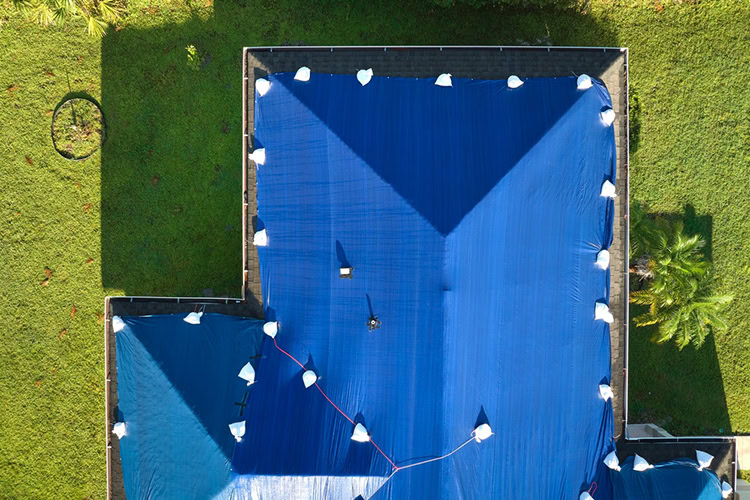
Throughout the project, we protect your property and clean up completely. We schedule around weather when possible. If storms interrupt the work, we use temporary coverings to prevent damage until we can finish.

Ready to get started?
Arlington sits in Maricopa County, which means your roof deals with conditions that destroy roofing systems faster than almost anywhere in the country. The monsoon season from June through September dumps 32% of the year’s rainfall in just a few months, with winds that can hit 75 mph and hail ranging from pea-sized to golf ball-sized. Those haboobs—the massive dust storms—slam debris into every surface.
The heat is relentless. We’re talking 115-degree days where your roof surface temperature can exceed 160 degrees. That kind of heat causes asphalt shingles to lose granules, tiles to crack from thermal expansion, and materials to age 30-50% faster than they would in northern climates.
Your roof needs materials that reflect UV radiation instead of absorbing it. Proper ventilation so heat doesn’t build up in your attic and force your AC to work overtime. Impact-resistant options if you want protection from hail. Fastening systems designed for high winds, not the standard installation that works fine in calmer areas.
We install tile roofing that handles the heat and lasts 25-50+ years. Metal roofing that reflects sunlight and withstands monsoon season. TPO roofing for flat or low-slope applications that need energy efficiency. Shingle roofing when it makes sense for your budget and timeline. We also offer roof coatings that extend your existing roof’s life and improve its performance.
Every material we use is selected for Arlington’s specific conditions. Every installation follows manufacturer specifications and Arizona building codes. Every project includes our 25-year workmanship warranty.
Roof replacement in Arlington typically ranges from $8,000 to $25,000 depending on your roof size, the materials you choose, and the complexity of your roof design. Asphalt shingles usually cost $4-$6 per square foot installed, which works out to around $7,000-$14,000 for a standard 2,000 square foot roof. Tile roofing runs $8-$18 per square foot, or $16,000-$36,000 for that same size. Metal roofing falls in the $9-$14 per square foot range.
These costs include materials, labor, removal of your old roof, and disposal. They don’t include permits, which in Arizona typically run $100-$500 depending on your city’s requirements. If your roof has multiple valleys, skylights, chimneys, or other features that add complexity, expect costs on the higher end of these ranges.
The price also depends on what’s happening underneath your visible roofing material. If your roof decking is damaged or your underlayment needs replacement, that adds to the cost. We provide detailed breakdowns during your estimate so you know exactly what you’re paying for and why.
If your roof is less than 15 years old and you’re dealing with localized damage—a few missing shingles, a small leak, damage from a fallen branch—repair usually makes sense. If more than 25-30% of your roof is damaged, or if your roof is approaching the end of its expected lifespan, replacement becomes more cost-effective than ongoing repairs.
Here’s the thing about Arlington: our climate accelerates roof aging. Asphalt shingles that might last 25-30 years in cooler climates often fail in 15-20 years here because of UV exposure and extreme heat. Tile roofs last longer—25 to 50+ years—but even tile underlayment needs replacement every 12-20 years.
If your roof is 10-15 years old and you’re facing extensive damage from monsoon storms or heat deterioration, replacement usually saves money long-term. You’re not just fixing today’s problem—you’re preventing the next round of issues that are likely coming soon. If your roof is young and the damage is minor, repairs extend its life without the major investment of replacement.
We’ll inspect your roof and give you honest recommendations. If repairs will handle it, we’ll tell you. If replacement makes more sense, we’ll explain why.
Start with a professional roof inspection before June when monsoon season typically begins. We check for loose tiles or shingles that high winds can tear off, damaged flashing around chimneys and vents where water can intrude, and any cracks or weak spots that heavy rain will exploit.
Clean your gutters and make sure downspouts channel water at least 2-3 feet away from your foundation. Clogged gutters cause water to back up under your roofing materials, leading to leaks and damage. Dust storms and debris are constant in Arlington, so this matters more here than in other climates.
Trim any tree branches hanging over your roof. Monsoon winds can turn those branches into battering rams that crack tiles, dent metal roofing, or tear shingles. Even small branches become projectiles in 75 mph winds.
If your roof is older or you’ve noticed issues, don’t wait until the storms hit. Repairs are harder to schedule during monsoon season when everyone’s dealing with damage. Getting ahead of it means you’re not scrambling for emergency tarping or dealing with water damage inside your home.
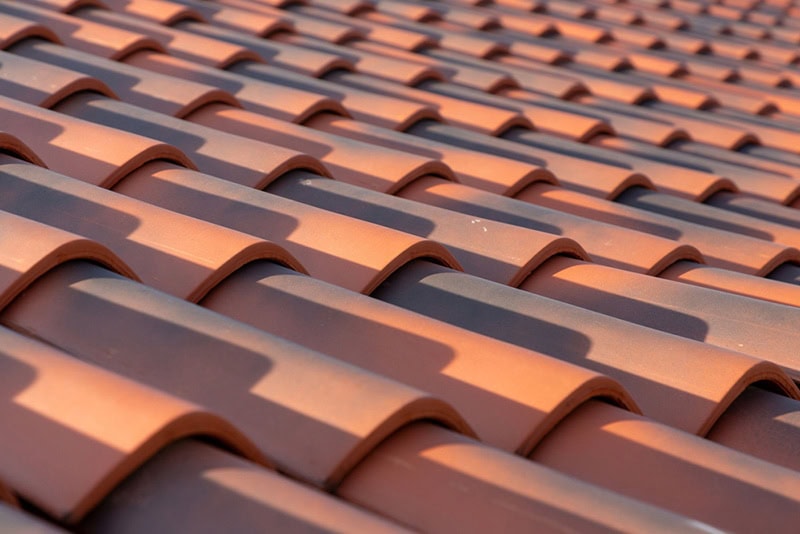
Tile roofing is popular in Arlington for good reason. Clay and concrete tiles handle the heat well, reflect UV radiation, provide good insulation, and last 25-50+ years. They’re heavy, which means your roof structure needs to support the weight, but they perform exceptionally in our climate. The underlayment beneath tiles needs replacement every 12-20 years even when the tiles themselves are fine.
Metal roofing reflects sunlight, reduces heat absorption, and withstands monsoon winds and hail. It lasts 40-70 years and improves energy efficiency by keeping your home cooler. The upfront cost is higher than asphalt shingles, but the longevity and energy savings often make it worthwhile.
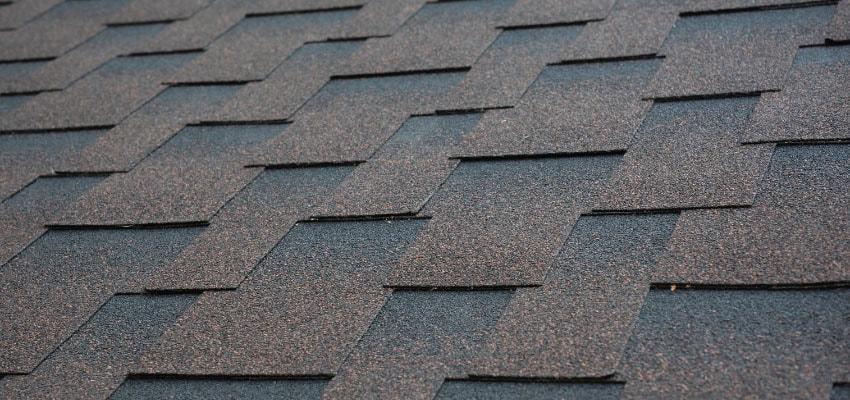
Asphalt shingles are the most affordable option and work fine if you choose impact-resistant varieties designed for our climate. They typically last 15-20 years in Arlington versus 25-30 in cooler areas. If budget is your primary concern and you understand the shorter lifespan, they’re a solid choice.
TPO roofing works well for flat or low-slope roofs. It reflects up to 80% of UV rays, handles extreme heat, and provides energy efficiency. Foam roofing creates a seamless barrier that insulates well and reflects heat, though it needs protective coating to withstand UV exposure.
The best material for your home depends on your roof design, budget, and priorities. We’ll walk through your options and explain what makes sense for your specific situation.
Insurance typically covers roof damage caused by monsoon storms, hail, high winds, and other sudden events beyond normal wear and tear. If a monsoon tears shingles off your roof or hail cracks your tiles, that’s usually covered. Gradual deterioration from age and UV exposure generally isn’t.
The key is documenting damage quickly. After a storm, inspect your roof or have a professional do it. Take photos of missing shingles, cracked tiles, dents, or any visible damage. Check your attic for water stains or wet insulation. Document everything before filing your claim.
Your policy will specify the timeframe for filing claims—usually within a year of the damage, but sometimes less. Don’t wait. File as soon as you identify storm damage.
We can help with the insurance process. We’ll provide detailed documentation of the damage, work with your adjuster during their inspection, and give you accurate estimates that reflect what actually needs to happen. We’ve worked with insurance claims throughout Maricopa County and understand what adjusters look for.
One important note: if your roof is old and already deteriorated, insurance may only cover partial replacement or depreciated value. Maintaining your roof and addressing issues before they become major problems helps ensure better coverage when storm damage does occur.
Roof lifespan in Arlington is shorter than national averages because of our extreme climate. The intense UV radiation, 115-degree heat, and thermal expansion from 40-50 degree temperature swings between day and night all accelerate aging.
Asphalt shingles typically last 15-20 years here versus 25-30 years in cooler climates. You’ll see granule loss, cracking, and deterioration faster. Tile roofing lasts much longer—25 to 50+ years for the tiles themselves—but the underlayment beneath needs replacement every 12-20 years. Metal roofing can last 40-70 years and handles our climate exceptionally well. TPO and foam roofing systems last 20+ years with proper maintenance.
These lifespans assume proper installation and regular maintenance. A poorly installed roof fails earlier. A roof that never gets inspected or maintained won’t reach its expected lifespan. Regular inspections catch small issues before they become major problems—loose flashing, damaged tiles, clogged gutters, or areas where water is pooling.
The best way to maximize your roof’s lifespan is choosing materials appropriate for Arlington’s climate, ensuring professional installation that meets manufacturer specifications, and scheduling regular inspections. Our 25-year workmanship warranty backs our installations because we’re confident in our work and the materials we use.
Other Services we provide in Arlington